
— Chelsea advice
Toilet Keeps Running? Causes and How to Fix It
A toilet that keeps running is almost always a worn or dirty valve inside the cistern that will not seal, letting clean water trickle from the tank into the pan and away down the drain. The usual culprits are a faulty fill valve, a worn flush valve, flapper or syphon washer, a float set too high, or grit sitting on the outlet seal. Most are cheap parts and a quick fix. If yours sits in a concealed or wall-hung cistern behind tiling, or the noise will not stop, Emergency Plumber Chelsea covers SW3 and SW10 on 020 3002 6667.
Updated July 2026 · Emergency Plumber Chelsea
First, work out which of two things is happening, because it points straight at the fault. If you can hear water constantly filling and the level never quite settles, the fill valve (the inlet that refills the tank) is not shutting off. If the tank is full but water keeps trickling into the pan, the flush valve at the bottom of the cistern is leaking past its seal. Lift the cistern lid and watch for a minute. Water running down the back of the pan from the tank means the outlet seal has failed; water spilling into the overflow tube or the internal overflow means the fill valve or float is at fault. The opposite fault, a cistern that will not refill at all, is covered in our guide to a toilet not filling with water.
A faulty fill valve is the most common cause of a toilet that fills without stopping. The fill valve lets clean water back into the cistern after a flush and should snap shut once the level reaches the set mark. Over time the internal diaphragm or washer wears, or limescale, which is common on London's hard water, stops it seating cleanly, so it keeps dribbling water in. You often hear a faint continuous hiss. Fill valves are inexpensive and are usually replaced as a whole unit rather than repaired, which is the reliable fix once one has worn. Both side-entry and bottom-entry types are widely available, and matching the inlet position and shank size to your existing valve makes the swap straightforward. In a Chelsea flat on a shared rising main, the mains pressure can also be high enough to make a tired valve chatter or fail to seat, so a valve rated for higher pressure is sometimes the better choice.
A worn flush valve, flapper or syphon washer is the other main cause, and here the tank stays full while water escapes into the pan. Older British cisterns use a syphon with a rubber diaphragm that splits or perishes with age and lets water seep through. Many modern cisterns use a drop valve or flapper held down by a rubber seal instead. When that seal hardens, warps or collects grit, it no longer sits flush and water leaks past continuously. A perished syphon diaphragm or a failed flush valve seal is a routine replacement, though a syphon change means taking the cistern off or draining it down fully.
An incorrectly set float level makes a healthy valve behave as if it is broken. The float rides on the water and tells the fill valve when to stop. If it is set too high, the water rises above the overflow and pours away down the internal overflow pipe, so the toilet appears to run forever even though the valve itself is fine. A float set too low gives a weak flush. Most float arms and float cups have an adjustment screw or clip. Lowering the shut-off point so the water sits roughly 20mm below the overflow often cures a phantom running toilet in a couple of minutes with no new parts.
Debris on the seal is the cheapest fault of all and worth checking before you buy anything. A small piece of grit, a fragment of a perished washer, or scale from the hard water can lodge on the flush valve seat and hold it open a fraction, which is enough for a steady trickle. Turn off the supply at the isolation valve, flush to empty the tank, then lift out or wipe the flapper or drop-valve seal and clean the seat it sits on. Reseating a clean seal frequently stops the running without replacing a thing.
A running toilet wastes far more water than people expect and it does it silently. A steadily leaking cistern can lose in the region of 200 to 400 litres a day, and a bad one considerably more, which over a month runs into thousands of litres going straight down the drain. If your home is on a water meter, and most Chelsea flats and houses now are, that shows up as a real and unexplained jump in the bill because you are paying for both the water in and the wastewater out. A toilet you can hear refilling now and then when nobody has flushed is the classic sign of a slow, expensive leak.
To confirm a silent leak, do the dye test. Take the lid off the cistern and drop a little food colouring or a dye tablet into the tank water, then leave the toilet completely unused for 20 to 30 minutes without flushing. If colour appears in the pan in that time, water is leaking from the tank past the flush valve seal and that seal or syphon is your fault. If the tank water stays clear but the level keeps dropping and refilling, the fill valve or overflow is the problem instead. The dye test is the quickest way to prove where the water is escaping before you open anything up.
The general fixes follow the diagnosis. Start by turning off the isolation valve on the supply pipe behind or beneath the cistern so you can work without a flood. For a hissing fill valve that will not shut off, replace the fill valve unit. For water trickling into the pan, clean the flush valve seal and seat first, and if the seal is hard or split, fit a new flapper, drop valve or syphon diaphragm to match the cistern. For water going over the overflow, drop the float level. Descaling a furred valve can buy time, but a perished rubber part only has one proper answer, which is replacement. When you buy a part, take a photo of the old one or note the cistern make, because syphon heights, flapper diameters and drop-valve fittings vary between models and the wrong size will simply leak again. Once fitted, turn the supply back on, let the tank fill and run a test flush to check the level settles cleanly and the running has stopped. If the water is escaping outside the toilet rather than into the pan, our guide to a toilet leaking from the back helps you find the joint.
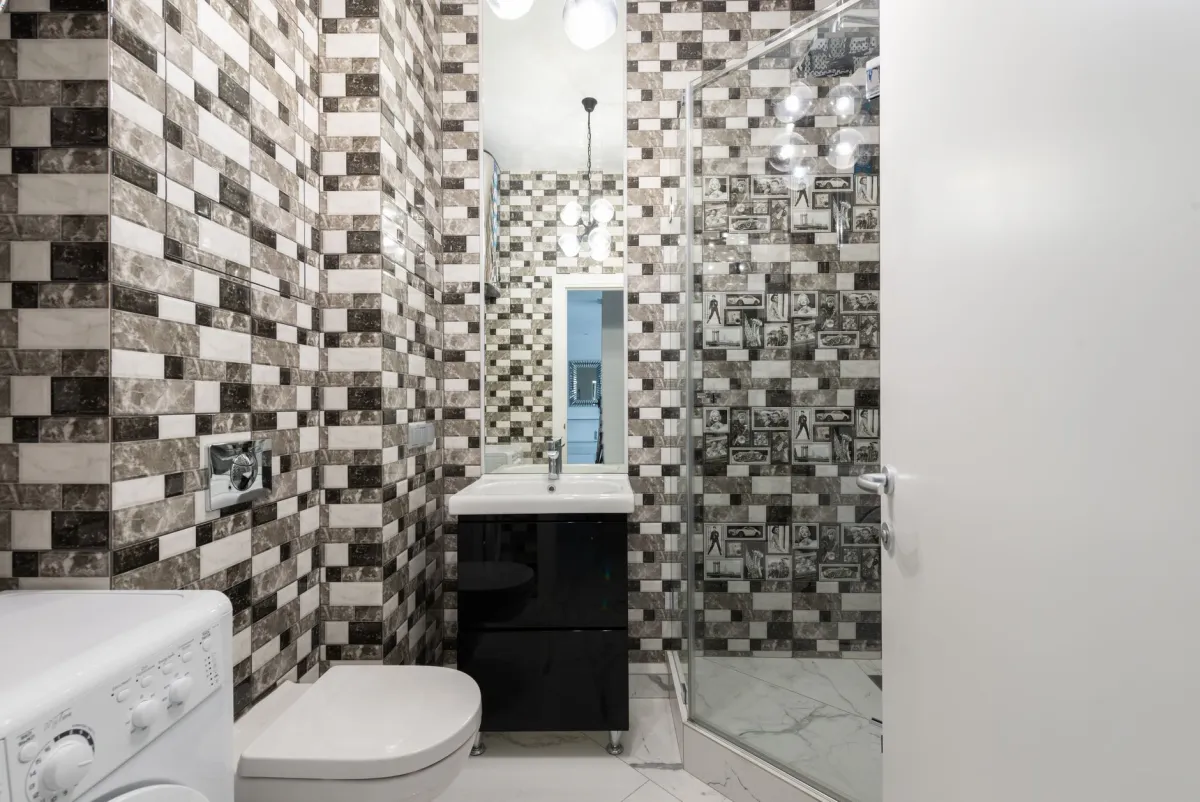
Concealed and wall-hung cisterns in modern Chelsea bathrooms are the exception that often needs a professional. Many recent SW3 and SW10 renovations hide the cistern inside a stud wall or a tiled boxing behind a wall-hung pan, with only a flush plate on show. The mechanism is a sealed frame-mounted cistern, typically a branded system such as Geberit or similar, reached through the flush plate aperture rather than by lifting a lid. Servicing the fill or flush valve means removing the plate, releasing the actuator and working blind in a tight cavity, and the correct replacement parts are brand specific. Getting this wrong risks a leak inside a wall that stays hidden until it stains the ceiling below, so it is usually a job worth handing over. Our guide to concealed cistern problems explains how to get in through the flush plate.
Call a plumber when the fault is not an easy in-cistern swap or the running will not stop. Good reasons to call include a concealed or wall-hung cistern you cannot access safely, a seized isolation valve, a cistern that has to be removed to change a syphon, water appearing outside the toilet rather than inside it, or simply a leak you have chased with new parts that keeps coming back. If the toilet is old enough that replacing it makes more sense, our guide to toilet replacement cost covers what sets the price and how long it takes. In a period Chelsea property or a stacked mansion flat, a running toilet also risks a slow leak reaching the flat below, which turns a small waste into an insurance matter. Emergency Plumber Chelsea repairs running toilets, replaces fill and flush valves and services concealed cisterns across SW3, SW10 and nearby postcodes. Call 020 3002 6667 for guide pricing confirmed before work, with blocked toilet and toilet clearance from around £95 and valve replacement from around £90.
Quick tips
- Do the dye test before buying parts: colour in the pan within 30 minutes means the flush valve seal or syphon is leaking, not the fill valve.
- Turn off the isolation valve behind or below the cistern before any work so you can open it up without flooding the floor.
- Set the water level about 20mm below the overflow; a float set too high is a common cause of a toilet that runs into the overflow forever.
- On London's hard water, descaling a furred fill valve can help, but a split or perished rubber washer should be replaced, not cleaned.
- For a concealed or wall-hung cistern, note the brand and model on the flush plate or frame before ordering parts, and get a plumber for blind cavity work.
FAQs
Is a running toilet wasting a lot of water?
Yes. A steadily leaking cistern can waste roughly 200 to 400 litres a day, sometimes far more, and on a metered supply that shows up as an unexplained rise in your water bill. A toilet you hear refilling when nobody flushed is leaking and worth fixing quickly.
How do I know if it is the fill valve or the flush valve?
Watch the cistern. If it keeps filling and water runs into the overflow, the fill valve or float is at fault. If the tank stays full but water trickles into the pan, the flush valve seal or syphon is leaking. A dye tablet in the tank confirms a flush valve leak if colour reaches the pan.
Can you fix a concealed or wall-hung toilet cistern in Chelsea?
Yes. Frame-mounted cisterns behind tiling or a stud wall are reached through the flush plate and use brand-specific parts. We service and repair concealed and wall-hung systems across SW3 and SW10. Call 020 3002 6667 and tell us the flush plate brand if you can see it.
Need an engineer in Chelsea?
Call 020 3002 6667 for 24/7 emergency dispatch across SW3, SW10 and nearby postcodes.