
— Chelsea plumbing services
Drain Clearance in Chelsea
Slow, smelly or partially blocked drains need proper clearance — not endless chemical pours that damage pipework. We clear kitchen, bathroom and external lines across Chelsea with mechanical methods suited to the pipe.
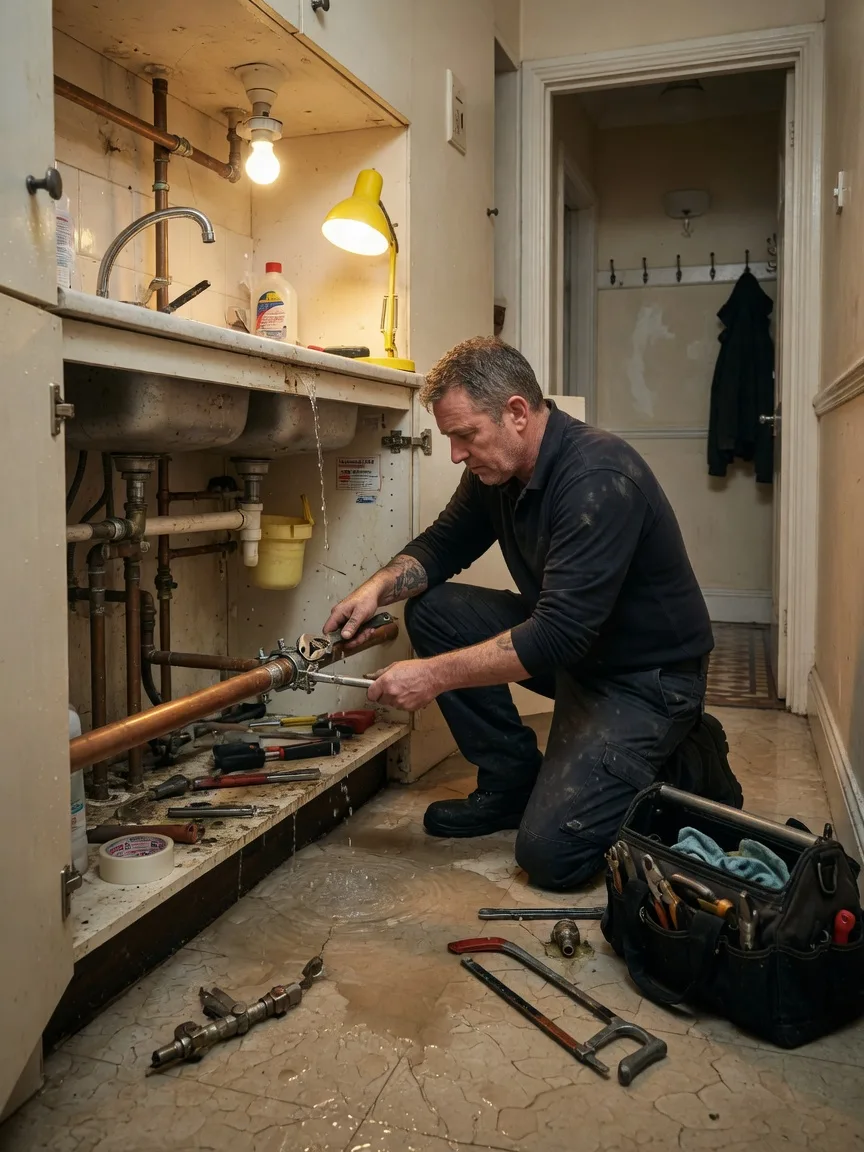
Drain clearance is the thorough clearing of a drain run back to a properly free flow, using rods and high-pressure water jetting rather than a quick poke that shifts just enough to get water moving again. Emergency Plumber Chelsea clears blocked and slow drains across SW3, SW10 and the surrounding postcodes, both planned and same-day, on 020 3002 6667. We clear grease, scale, silt, leaf litter and general debris from gullies, soil pipes, waste lines and underground runs, then flow-test the line so you know it is genuinely clear and not simply limping along. Daytime call-outs start from £69, and the engineer prices the work before it begins.
There is a real difference between unblocking a drain and clearing it properly, and it matters for how long the fix lasts. Unblocking gets a stopped drain moving again; clearance goes further, stripping the built-up fat, scale and silt off the pipe wall along the whole run so the bore is restored to something close to its original diameter. A drain that has been rodded through a soft blockage can still be three-quarters furred with grease and start slowing within weeks. Proper jetting cuts that lining back, which is why a clearance holds where a rushed unblock keeps failing. If you are dealing with a live emergency or foul flooding out of hours, that is our emergency drainage service; this page is about doing the job thoroughly.
We choose the method to suit the pipe, the blockage and the access, because the wrong tool either fails to clear the line or risks damaging old pipework. Drain rods with the correct head work well on straight runs, external gullies and reachable soil connections where the blockage is soft or fibrous. Mechanical clearance handles compacted debris and light root ingress in accessible pipes. High-pressure water jetting is the tool for grease-lined kitchen waste, scaled runs and silted underground drains, where nothing else restores the full bore. On brittle or already-suspect pipe we ease off the pressure and reassess rather than push a fault into a failure.
High-pressure water jetting is the most effective way to clear a heavily fouled drain, and it is what separates a lasting clearance from a temporary one. A hose fed down the drain drives water through a specialist nozzle at controlled pressure; rear-facing jets pull the hose along the run while cutting fat, scale and silt off the pipe wall and flushing the debris back to the chamber. It reaches around bends and along lengths that rods cannot follow, and it leaves the pipe genuinely clean rather than merely open. We match the pressure and nozzle to the pipe material and condition, which is the part that protects older Chelsea drainage while still doing a proper job.
Grease and fat are the single most common reason a Chelsea kitchen line silts up and slows, and they need cutting out, not pushing along. Warm fat, oil and food waste pour down easily then cool and cling to the pipe wall, layering up over months until the bore narrows and the sink drains slower and slower. Rodding punches a hole through the middle and leaves most of the lining in place, so the slowing returns quickly. Jetting scours the grease off the wall back to bare pipe, which is why kitchen waste lines in busy households, and in the cafes and small restaurants along the King's Road, benefit from clearance rather than a token unblock.
Scale and silt are the other great slowers, especially in older and underground runs where the pipe has been in the ground for decades. London's hard water leaves scale inside pipework, and low-lying or poorly-falling underground drains collect a slick of silt and grit that gradually chokes the flow. In the Victorian and Georgian houses off the King's Road and around the Cadogan Estate streets, original clay and cast-iron drainage is prone to both, often combined with a shallow fall that never quite self-cleans. Jetting lifts silt and flushes it through to the chamber, and where scale has built up hard, the right nozzle shears it away without hammering a fragile old pipe.
External gullies and yard drains are easy to forget until they overflow, and they need clearing on a sensible cycle rather than only in a crisis. Chelsea's mews yards, garden flats and lightwells collect leaves from plane trees, grit, moss and general debris that settles in the gully trap and the run beyond it. After heavy rain a silted gully sits full and backs up towards the door, and near the river the water table and surcharge risk make a sluggish gully worse. We lift and clean the trap, clear the connecting run, and check the gully drains away properly under load, so the next downpour has somewhere to go.
Soil pipes and stacks carry everything from the toilets and are the runs where a partial blockage does the most damage if it is left. A soil stack that is scaled or part-blocked with wipes, sanitary items and calcified waste drains slowly, gurgles as air is dragged through the trap seals, and eventually backs up at the lowest fitting. Clearing a stack properly means working from the correct access, using rods or jetting to strip the run rather than dislodging a plug that resettles a metre down. In a mansion block the stack is shared, so a thorough clearance protects every flat on it, not just the one that reported the problem.
Underground runs and shared drains between the building and the sewer are where slow clearance problems usually hide. The pipe leaving a Chelsea property often runs under the garden, the mews cobbles or a paved yard to a chamber and then to the shared or public sewer, and silt, root fibres and displaced joints all slow it long before it blocks outright. We work from the inspection chambers, jet the run in both directions where access allows, and clear the interceptor trap that many older properties still have at the boundary. If the run keeps silting despite a good clear, that is usually a sign of a fall or structural problem worth surveying rather than jetting again.
Chelsea's building types shape how a clearance is done as much as the blockage itself. Period houses hide their drainage behind panelling, under solid floors and in basement vaults, so finding the right access point is half the job. Red-brick mansion blocks run shared stacks and communal underground drains that cross several flats. Mews cottages and garden flats share gullies and small yards that silt quickly. Riverside apartments at Chelsea Harbour and Imperial Wharf run more modern pipework but sit low near the river with pumped or restricted drainage. Knowing which you are dealing with means we bring the right access tools and clear the line without opening up more of the building than the job needs.
Scheduled, preventative clearance is the quiet way to avoid the crisis call, and it suits mansion blocks, managing agents and small commercial premises particularly well. A drain that is jetted on a planned cycle, before it silts to the point of backing up, never becomes the Saturday-night flood that damages finishes and upsets residents. For a block, that means the shared stacks and the underground runs cleared on a set interval; for a cafe or small restaurant kitchen, the grease-prone waste lines jetted regularly so they do not fail during service. We can plan visits around a managing agent's schedule, work with porters for access, and keep records for each line so the maintenance is documented rather than guessed at.
You can usually tell when a drain needs proper clearance rather than another chemical pour. Sinks and showers that drain slowly, water standing in an external gully after rain, a faint drain odour that never quite clears, gurgling when several fittings run together, and a partial blockage that keeps coming back within weeks all point to a lined or silted run that needs jetting, not a plunger. We generally advise against harsh drain chemicals: they rarely shift a grease or silt lining, they can damage older pipework, and they leave a hazard in the pipe for whoever opens it next. Mechanical clearance and jetting are cleaner and far more effective on the blockages Chelsea drains actually suffer.
When a thorough clearance reveals a fault that jetting cannot fix, we tell you plainly rather than take the money and move on. A run that silts straight back up, a section that will not clear, or debris in the chamber that suggests a break can all mean a collapsed pipe, a displaced joint, root ingress or a fall that was never right. At that point the honest step is a CCTV drain survey to see inside the run, followed by a repair quote, not repeat jetting that treats the symptom every few months. We would rather find the real cause once than have you paying for the same clearance three times a year.
For landlords, managing agents and leaseholders, clean documentation is part of a clearance done properly. We can photograph the state of a gully, stack or chamber before and after, note what was cleared and how, and set out whether the run we worked on is demised to the flat or communal, which often decides who pays. For shared underground drains and stacks that serve several flats, that record helps a managing agent apportion the work and keeps a leaseholder from being billed for a communal run. Where a clearance turns out to be needed because of misuse further up a shared stack, the paperwork makes that clear too.
Pricing for drain clearance is set out before the work starts, so a slow drain does not turn into a bill you did not expect. Daytime call-outs start from £69, and nights, weekends and bank holidays from £89, with labour and any parts quoted before major work begins and no call-out fee on agreed non-emergency and scheduled jobs. The engineer assesses the line and access on arrival, then gives you a price for the clearance, whether that is a single gully, a kitchen waste line or a full jetting of an underground run. Planned maintenance for blocks and commercial premises is quoted per visit or as a cycle so the cost is predictable.
Our drain clearance covers the Chelsea core so a planned or same-day visit does not mean a long wait for a distant van. We work across SW3 1 through SW3 6 and all of SW10, including Chelsea Harbour, Worlds End, Lots Road and West Brompton, along with neighbouring SW1W, SW1X, SW5 and SW7, taking in King's Road, Sloane Square, the Royal Hospital Chelsea, Brompton, the Cadogan Estate streets and the riverside blocks along Chelsea Embankment and Imperial Wharf. If your drains are slow, smelly or partly blocked, or you want a stack or gully cleared on a planned cycle, call Emergency Plumber Chelsea on 020 3002 6667. We answer 24 hours a day, give you a real arrival time, and clear the line thoroughly with rods or jetting and a flow test, with clear pricing before the work starts.
Common symptoms
- Slow draining sinks or showers
- Gully water sitting after rain
- Odour from external drains
- Partial blockage that keeps returning
- Gurgling when multiple fittings run
- Fat build-up signs in kitchen lines
What's included
- Inspection of accessible points
- Mechanical drain clearance
- Gully clean-out where required
- Flow test after clearance
- Prevention advice for fat and wipes
How drain clearance works in Chelsea
- 01
Call us
Speak to a real person on 020 3002 6667, day or night. Tell us the fault and your postcode.
- 02
Get an ETA
We give you an honest arrival time — 45 to 90 minutes for genuine emergencies across SW3 and SW10.
- 03
Assess & make safe
A Gas Safe registered engineer arrives, isolates the fault and stops the damage, then quotes before major work.
- 04
Fixed & tidy
We complete the repair, test it, and leave your property clean — with an itemised invoice for your records.
Transparent pricing
FAQs
Are chemical drain cleaners a good idea?
We generally advise against harsh chemicals that can damage pipes and leave hazards for engineers. Mechanical clearance is cleaner and more effective for most Chelsea blockages.
How often should external gullies be cleared?
It depends on leaf fall and usage. Properties with tree cover or heavy kitchen use may need seasonal attention.
How fast can you clear a blocked drain in Chelsea?
For genuine emergencies we aim to attend within 45 to 90 minutes across SW3 and SW10, subject to traffic and engineer availability. Call 020 3002 6667 and you will get an honest arrival time when you book.
Is drain clearance available 24 hours a day?
Yes. We answer the phone on 020 3002 6667 around the clock, including nights, weekends and bank holidays, so a backing-up drain does not have to wait until morning.
What does drain clearance cost?
Emergency call-outs start from £69 in the daytime and from £89 at nights, weekends and bank holidays, with the price agreed before major work begins. There is no call-out fee at all if the job takes over three hours, and none on agreed non-emergency clearances.
Do you cover my postcode?
We cover SW3 1 to SW3 6 and all of SW10, including Chelsea Harbour, Worlds End, Lots Road and West Brompton, plus the neighbouring SW1W, SW1X, SW5 and SW7 streets. If you are just outside, call 020 3002 6667 and we will let you know.
What method do you use to clear the drain?
We match the tool to the pipe and the blockage: rods and augers for local blockages, and high-pressure jetting for silted gullies and heavier waste lines. We avoid harsh chemicals that damage pipework and leave hazards behind.
Also see our other Chelsea services: Emergency Plumber Chelsea, 24 Hour Plumber Chelsea, Plumbing Repairs, Plumbing Installation.
Book drain clearance in Chelsea
Call 020 3002 6667 — 24/7 dispatch across SW3, SW10 and nearby postcodes.