
— Chelsea advice
Toilet Not Filling With Water? How to Fix It
If your toilet cistern is not filling with water after you flush, the cause is almost always in one of four places: the small isolation valve on the supply pipe has been turned off or partly closed, the float is stuck or set too low, the fill valve is blocked with limescale or debris, or the fill valve has failed. Less often, the supply itself is the problem, such as low mains pressure, an empty loft tank or a frozen pipe. Most of these you can check in ten minutes with a flat-head screwdriver. This guide takes you through them in order. Emergency Plumber Chelsea covers SW3, SW10 and nearby postcodes on 020 3002 6667.
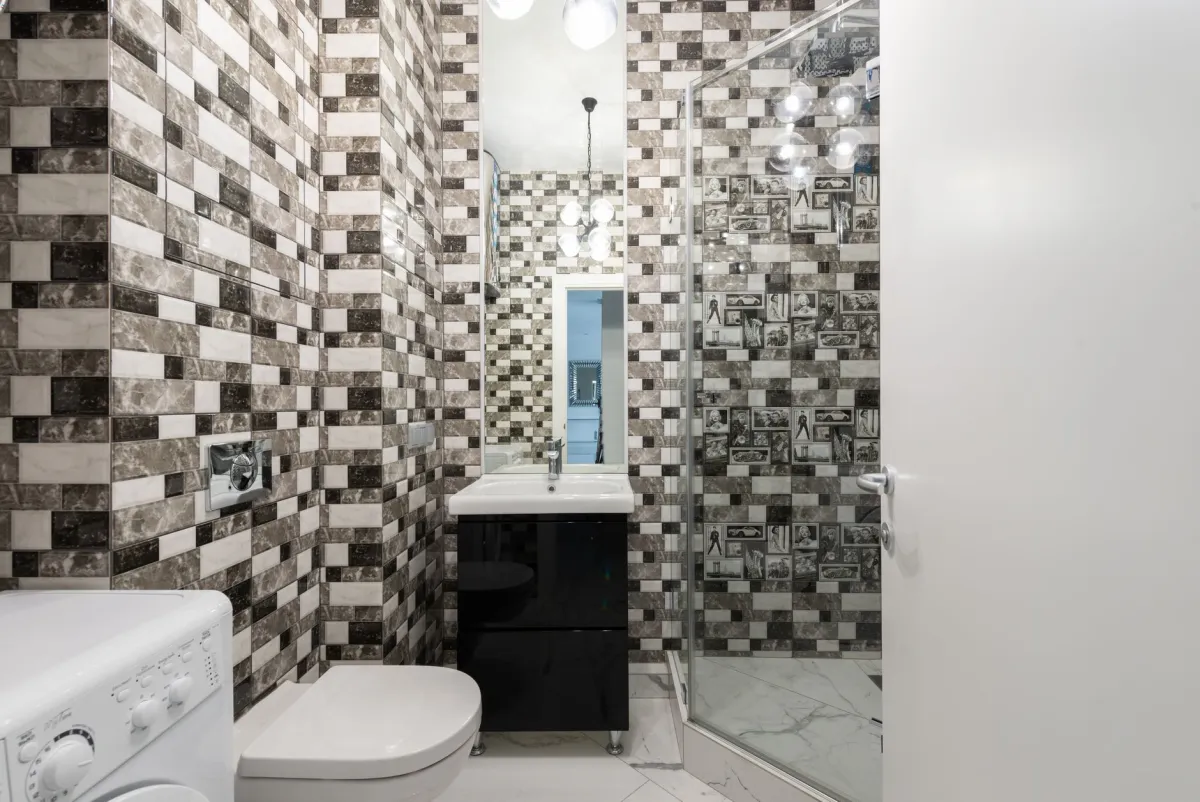
Updated July 2026 · Emergency Plumber Chelsea
First, check whether it is filling slowly or not at all, and whether other taps are affected. If every tap in the house is weak or dry, the problem is the supply, not the toilet, and our guide to low water pressure is the better starting point. If the basin taps in the same bathroom run normally but the cistern stays empty or takes many minutes to refill, the fault is on the toilet's own supply or inside the cistern.
Start with the isolation valve. On most modern toilets there is a small valve on the pipe running into the cistern, either behind the pan or under the cistern, with a slot for a flat-head screwdriver. When the slot runs along the pipe, the valve is open; when it runs across the pipe, it is closed. These get turned off during cleaning, decorating or plumbing work and never turned back on, or they are left half open so the cistern fills at a crawl. Turn the slot so it lines up fully with the pipe. If the valve is stiff, do not force it hard enough to twist the pipe; a seized isolation valve is a cheap part for a plumber to replace.
Next, lift the cistern lid and look at the float. On an older ballcock the float is a ball on the end of an arm; on a modern fill valve it is usually a cylinder that slides up and down the valve body. If the float is stuck in the raised position, snagged on the flush mechanism or the side of the cistern, it holds the valve shut and nothing comes in. Push it down gently. If water starts to flow, the float was the problem, and you should check nothing is catching it. If the float is set very low, the cistern will stop filling well short of the fill line; adjust it up with the screw or clip on the valve until the water stops about an inch below the overflow.
If the float moves freely and the isolation valve is open but there is still little or no water, the fill valve itself is probably blocked. London's hard water leaves limescale inside the small ports of the valve, and grit from the mains or from recent work on the pipes can lodge in the inlet. Turn off the isolation valve, flush to empty the cistern, then unscrew the top of the fill valve. Most modern valves come apart by hand. Rinse the parts and the small filter or washer, and briefly open the isolation valve into a cup or jug to flush any debris out of the supply pipe before you reassemble. Many cisterns start filling properly again after this.
If cleaning does not help, the fill valve has failed and needs replacing. Fill valves wear out, and diaphragm or washer failures can leave a valve that will not open at all. Replacement fill valves are standard parts, but getting the right one depends on whether the supply comes in from the side or the bottom of the cistern, and on a close-coupled toilet the cistern may need to come off to reach the connection. If you are not confident isolating the supply and reconnecting the pipe without leaks, it is a quick job for a plumber.
Concealed cisterns, the kind hidden behind a wall panel with only a flush plate showing, are common in newer Chelsea bathrooms and in refurbished mansion flats. The same faults apply, but you reach the fill valve by removing the flush plate and working through the opening behind it, and some models have their own isolation valve inside the frame. Do not try to cut or remove boxing to get at a concealed cistern; the manufacturer's access panel is designed for exactly this. Our guide to concealed cistern problems covers the other faults, including leaks behind the wall.
If the whole house is on a gravity-fed system, some toilets are fed from the cold water storage tank in the loft rather than the mains. If that tank is empty because its own float valve has stuck or its supply has frozen, the upstairs toilets stop filling while the kitchen tap still works. Our guide to cold water storage tank problems explains what to look for. In frosty weather, a supply pipe to a toilet on an outside wall, in a cold extension or in a loft can also freeze, and our guide on how to stop pipes freezing covers thawing and lagging.
A cistern that fills but never stops is a different problem, usually a fill valve that will not shut off or a flush valve that leaks into the pan, and it is covered in our guide to a toilet that keeps running. A cistern that fills normally but gives a feeble flush is covered in our guide to a weak toilet flush. It is worth being clear which symptom you have before buying parts.
While you wait for a repair, you can still flush the toilet by pouring a bucket of water into the pan in one steady go, or by filling the cistern by hand from a jug. That gets you through the evening, but it is not a fix, and in a busy household or a rented flat the toilet should be put right quickly. If there is any water leaking from the valve, the pipe or the cistern while you are working on it, turn the isolation valve off, and if that will not stop it, turn off the main stopcock; our guide on how to turn off a stopcock shows which way to turn it.
If the cistern still will not fill, the isolation valve is seized, or the fill valve needs replacing on a concealed or close-coupled toilet, call Emergency Plumber Chelsea on 020 3002 6667. Our toilet repairs service covers fill valves, flush valves, isolation valves and concealed cisterns across SW3, SW10, Knightsbridge, Sloane Square, South Kensington and Fulham. There is no call-out fee on jobs over 3 hours.
Quick tips
- Check the isolation valve on the cistern supply: the slot should run along the pipe when it is open.
- Lift the lid and push the float down; a stuck float holds the fill valve shut.
- In hard-water London, a fill valve blocked with limescale or grit often starts working again after cleaning.
- If upstairs toilets stop filling but the kitchen tap works, look at the loft tank.
- Until it is fixed, flush by pouring a bucket of water into the pan in one steady go.
FAQs
Why is my toilet not filling up with water after I flush?
The most common causes are a closed or half-closed isolation valve, a stuck float, a fill valve blocked with limescale or debris, or a fill valve that has failed. If other taps are also weak, the problem is the water supply.
Why is my toilet cistern filling so slowly?
A partly closed isolation valve or a fill valve partly blocked with limescale are the usual reasons. Open the valve fully, then clean the fill valve. If it is still slow, the valve may need replacing.
Can I still flush a toilet if the cistern is not filling?
Yes. Pour a bucket of water into the pan in one steady go and it will flush. You can also fill the cistern by hand and use the handle as normal.
How do I fix a concealed cistern that will not fill?
Remove the flush plate to reach the fill valve through the access opening, check any isolation valve inside the frame, then clean or replace the fill valve. Do not cut into the boxing. If you are unsure, call 020 3002 6667.
Need an engineer in Chelsea?
Call 020 3002 6667 for 24/7 emergency dispatch across SW3, SW10 and nearby postcodes.