
— Chelsea advice
Concealed Cistern Problems: How to Fix a Hidden Toilet Cistern
Most concealed cistern problems are the same faults you get on an ordinary toilet: a flush button that has come loose from the valve, a fill valve that will not fill or will not stop, or a flush valve seal that lets water trickle into the pan. The difference is access. On almost every modern hidden cistern you get in by removing the flush plate, and the opening behind it is designed so the fill valve and flush valve can be serviced or replaced without touching the tiles. The one fault to take seriously is a leak inside the wall, because it can soak the structure for weeks before you see it. This guide covers how to get in and how to fix each fault. Emergency Plumber Chelsea repairs concealed cisterns across SW3, SW10 and nearby postcodes on 020 3002 6667.
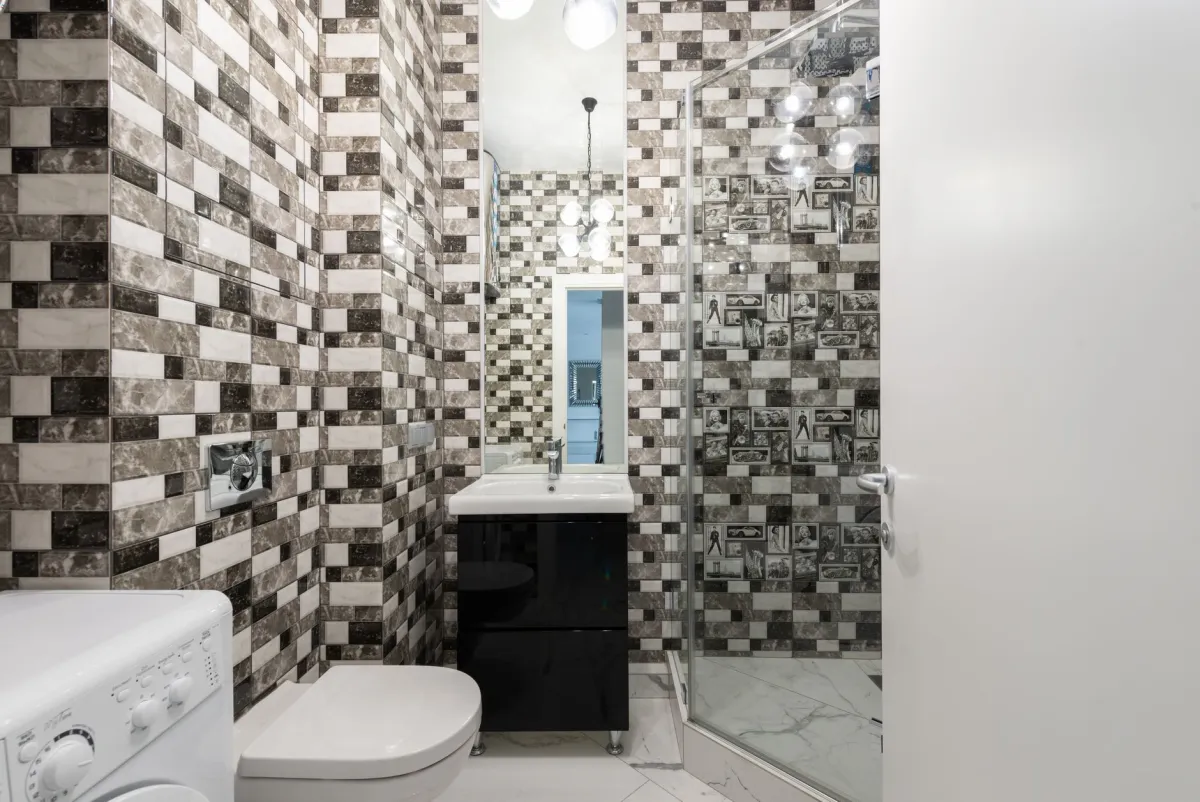
Updated July 2026 · Emergency Plumber Chelsea
Start by getting the flush plate off. Most plates either lift up and then pull out from the bottom, or unclip from a frame when you press or slide them in a particular direction. Some have a small screw or catch underneath. Work gently with your fingers or a plastic tool rather than a screwdriver, because the plates scratch and the clips break easily. Behind the plate you will usually find a mounting frame, the button mechanism, and an opening into the cistern. On many systems the isolation valve for the water supply sits just inside this opening, so turn it off before you go further.
If the button does nothing, or only the small flush works, the fault is usually in the linkage between the button and the flush valve. Mechanical buttons press on rods or levers that lift the valve; if a rod has dropped out, been cut too short when the plate was fitted, or worked loose, the button moves but the valve does not. Pneumatic buttons use a thin air tube, and if the tube has come off its connector or split, the flush stops working. Reconnecting or adjusting the linkage fixes most of these. A button that feels stiff or sticks down can also be caused by limescale on the moving parts.
If water keeps trickling into the pan after the flush, the flush valve seal is not closing properly. On a concealed cistern the flush valve usually lifts out through the opening behind the plate once the button mechanism is removed. Limescale, debris or a worn seal at the base of the valve are the usual causes, and cleaning or replacing the seal often cures it. If the water is instead running into the overflow inside the flush valve, the fill valve is not shutting off and the water level needs lowering or the valve needs replacing. Our guide to a toilet that keeps running explains how to tell the two apart.
If the cistern will not fill, check the isolation valve inside the frame first, as it is often left closed after cleaning or other work. Then look at the fill valve. In hard-water London, grit and limescale block the small inlet and ports, and many concealed fill valves have a filter that can be cleaned. If the valve has failed, replacement parts are usually specific to the make of cistern, so note any brand name on the frame or flush plate before you order anything. Our guide to a toilet not filling with water goes through the fill valve checks step by step.
A weak flush on a concealed cistern is often an adjustment rather than a fault. Dual-flush valves have separate settings for the full and reduced flush, and if they have been set too low, or the linkage does not lift the valve far enough, the pan will not clear properly. It is also worth checking that the cistern is filling to the correct level. If the flush is still poor, see our guide to a weak toilet flush, which covers blocked rim holes and pan problems as well.
A leak behind the wall is the problem to act on quickly. Water can escape from the supply connection to the fill valve, from the seal between the cistern and the flush pipe, from the flush pipe connection into the pan, or from the pan's waste connection. Because it all happens inside a stud wall or boxing, the first signs are often somewhere else: a damp or swollen skirting board, loose or stained floor tiles, a musty smell, or a stain on the ceiling of the room below. In flats and mansion blocks it is common for the neighbour downstairs to notice first. Our guide to the signs of a hidden water leak covers the other clues.
To narrow down a hidden leak, turn off the isolation valve and see whether the dampness stops spreading. If it does, the leak is likely on the supply side. If the damp only appears after the toilet is flushed, the flush pipe or the pan connection is more likely. Shining a torch through the flush plate opening will sometimes show water inside the frame. Do not cut into tiled boxing or plasterboard to look, because most leaks can be reached through the access opening, and cutting in often costs more to make good than the repair itself.
Some concealed cisterns have no proper access at all. In older refurbishments, a standard cistern was sometimes boxed in with no removable panel, or the panel was tiled over. If you cannot get to the cistern, the options are to open up the boxing at the least visible point, or to replace it with a frame system that has a flush plate designed for access. If you are planning a new bathroom, make sure whoever tiles it leaves the flush plate removable. Our bathroom plumbing service can advise on concealed systems during a refit, and our guide to wall-hung toilets covers what to look for in a frame system. If you are weighing up a concealed cistern against a visible one, our guide to the types of toilet sets out the options.
While you wait for a repair, you can still use the toilet. Turn off the isolation valve if the cistern is leaking or running, and flush by pouring a bucket of water into the pan in one steady go. If you cannot find an isolation valve and water is escaping, turn off the main stopcock; our guide on how to turn off a stopcock shows which way to turn it.
If the button has stopped working, the cistern will not fill or stop, or you suspect a leak behind the wall, call Emergency Plumber Chelsea on 020 3002 6667. Our toilet repairs service covers concealed cisterns, flush valves, fill valves and push-button mechanisms across SW3, SW10, Knightsbridge, Sloane Square, South Kensington and Fulham. There is no call-out fee on jobs over 3 hours.
Quick tips
- Remove the flush plate by hand or with a plastic tool; the clips break easily.
- Look for an isolation valve just inside the opening and turn it off first.
- Note the brand on the frame or plate before ordering parts; they are often specific.
- A damp skirting or a stain on the ceiling below can be a hidden cistern leak.
- Never tile over the flush plate: it is the only way in for repairs.
FAQs
How do I get into a concealed toilet cistern?
Remove the flush plate. Most lift and pull out from the bottom or unclip from a frame. Behind it is an opening designed for servicing the fill valve, flush valve and button mechanism.
Why has my push-button toilet flush stopped working?
Usually the linkage between the button and the flush valve has come apart or needs adjusting. On pneumatic buttons, the air tube may have come off or split. Limescale can also make the mechanism stick.
How do I know if my concealed cistern is leaking?
Look for damp or swollen skirting, loose or stained floor tiles, a musty smell, or a stain on the ceiling below. If the damp stops spreading when the isolation valve is off, the leak is likely on the supply side.
Can a concealed cistern be repaired without removing the tiles?
In most cases, yes. Modern frame systems are designed so the working parts can be reached through the flush plate opening. Only boxed-in cisterns without an access panel usually need the boxing opened.
Why does my concealed cistern keep running?
Either the flush valve seal is letting water into the pan, or the fill valve is not shutting off and water is running into the overflow. Cleaning or replacing the seal or fill valve usually fixes it.
Need an engineer in Chelsea?
Call 020 3002 6667 for 24/7 emergency dispatch across SW3, SW10 and nearby postcodes.