
— Chelsea advice
Tenant or Landlord: Who Pays for Plumbing Repairs in Chelsea?
In most rented Chelsea homes the landlord pays for plumbing repairs to the water, heating and sanitary installations, and the tenant pays only for damage they cause and small day-to-day upkeep. That split comes from Section 11 of the Landlord and Tenant Act 1985, which puts pipework, boilers, radiators, hot water, taps, baths and toilets firmly on the landlord, whatever the tenancy agreement says. This guide explains where the line falls, how to report a fault correctly and what to do in an emergency. It is general guidance, not legal advice, so check your own tenancy agreement and confirm anything important with a solicitor or Citizens Advice. Emergency Plumber Chelsea works for landlords, agents and tenants across SW3 and SW10 on 020 3002 6667.
Updated July 2026 · Emergency Plumber Chelsea
The general rule is simple: the landlord is responsible for the plumbing they provide, and the tenant is responsible for looking after it and for any damage they cause. Section 11 of the Landlord and Tenant Act 1985 requires the landlord to keep in repair and proper working order the installations for the supply of water and for sanitation, including basins, sinks, baths and toilets, along with the installations for heating the property and heating water. This duty applies to most short residential tenancies and cannot be signed away, so a clause that tries to make the tenant pay for a failed boiler or a leaking pipe is generally not enforceable.
For a tenant, that means the big items are the landlord's cost. A boiler breakdown, a burst or leaking pipe, a radiator that no longer heats, a blocked soil stack, a failed hot water cylinder, a dripping stopcock or a cracked toilet cistern are all repairs the landlord should arrange and pay for. You do not have to fund these yourself, and you should never feel pressured to. If your landlord or agent asks you to cover the cost of fixing the fabric of the plumbing, that is usually the wrong side of the line, and it is worth pointing to Section 11 politely and in writing.
Tenants do carry some responsibility, and it falls into two clear buckets. The first is minor day-to-day upkeep: things a reasonable occupier is expected to handle, such as replacing a worn tap washer, keeping plugholes and traps clear of hair and food waste, and topping up a combi boiler's pressure using the filling loop where the manual explains how. The second is damage the tenant causes, whether through misuse, neglect or an accident. If a sink blocks because of fat and food scraps, if a shower seal fails because it was never cleaned, or if a child flushes a toy and blocks the toilet, the tenant can fairly be asked to pay for putting it right.
Fair wear and tear is not the tenant's bill. There is an important difference between damage and the ordinary ageing of fittings. A tap that stiffens over years of normal use, a flush mechanism that wears out, a shower hose that perishes or a washer that finally fails are all wear and tear, and replacing them is part of the landlord's repairing duty rather than something to deduct from a deposit. Deductions have to reflect genuine tenant-caused damage, not the fact that a fitting has simply reached the end of its life. If you are unsure which side a fault sits on, take photographs and describe how it happened when you report it.
Reporting the fault promptly is the tenant's key legal step, and it protects both sides. The landlord's repairing obligation is triggered once they know about a problem, so a fault the landlord has not been told about is not yet their failure to fix. Report every plumbing issue to the landlord or managing agent as soon as you notice it, and do it in writing, by email or message, so there is a dated record. Describe the problem clearly, say where the water is coming from if there is a leak, and keep a copy. Prompt reporting also stops a small drip turning into a ceiling collapse or a mould problem, which matters in Chelsea's stacked mansion flats where water travels between floors.
In an emergency, the tenant's job is to make the situation safe, not to carry out the repair. If a pipe bursts or a joint lets go, turn off the water at the main stopcock, which in many Chelsea flats sits under the kitchen sink, in a hall or bathroom cupboard, or near the front door on the rising main. Turn it clockwise until it stops, then open a cold tap to drain the pressure. If water is near lights, sockets or the consumer unit, switch off the electrics only if you can do so safely without standing in water. Then contact the landlord or agent straight away, and if you cannot reach them and the leak is causing damage, an emergency plumber can isolate and make safe.
Out of hours, the responsibility for cost still usually sits with the landlord, but the tenant may need to act first. Many tenancy agreements name an emergency contact or an out-of-hours line for exactly this reason, so check yours before a crisis and save the number. Where a genuine emergency happens at night or over a weekend and the landlord cannot be reached, most agreements accept that the tenant can call a plumber to stop active damage, with the landlord reimbursing the reasonable cost afterwards. Keep the invoice and photographs, and avoid authorising anything beyond the make-safe work until the landlord has agreed to it.
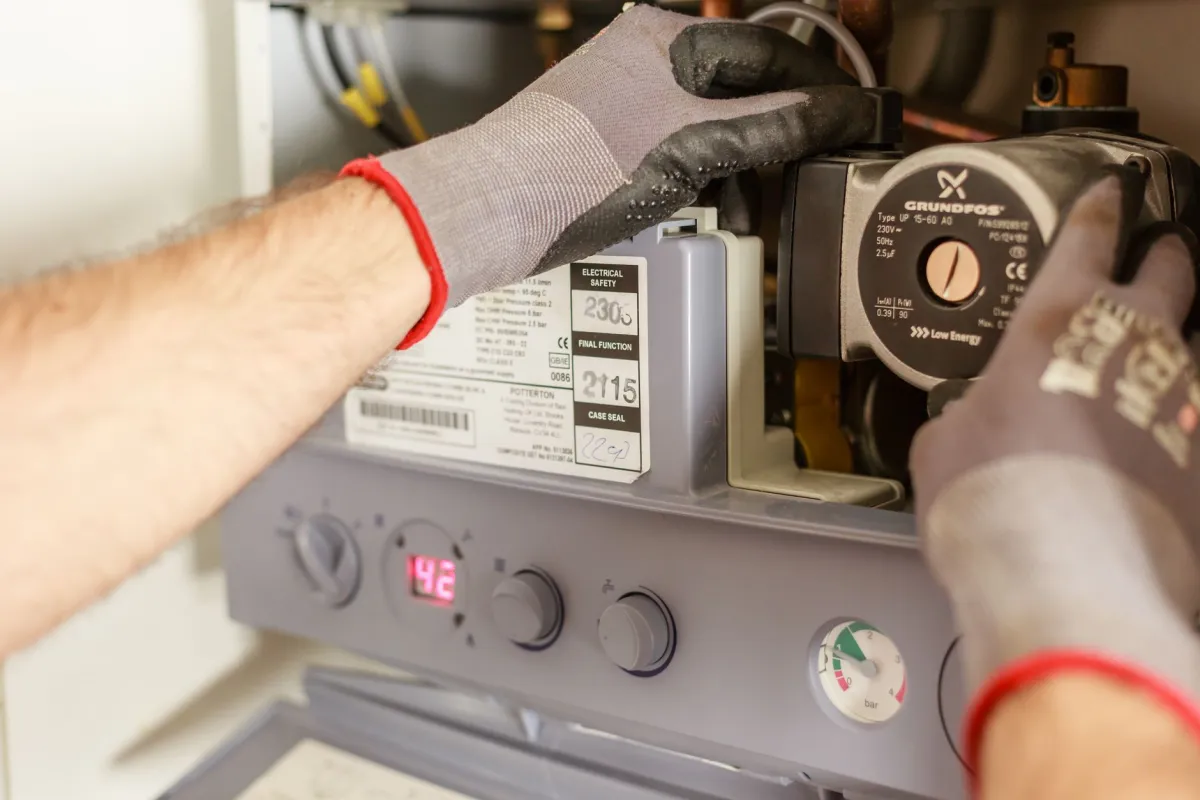
Gas is a special case with its own rules. Anything involving the boiler, a gas hob or a gas fire is the landlord's responsibility, and by law it must be checked every 12 months by a Gas Safe registered engineer, who issues a Landlord Gas Safety Record. A tenant should never attempt gas work. If you smell gas, do not touch electrical switches, open windows, leave the property and call the National Gas Emergency Service on 0800 111 999 first, then tell the landlord. For a boiler that has simply stopped, or has lost pressure, report it to the landlord as an urgent repair, especially in winter or if anyone in the home is elderly, unwell or very young.
Your tenancy agreement can add detail, but it cannot remove your legal protection. Always read the repairs and maintenance section, because it should confirm how to report faults, name any emergency contact and set out any specific tenant duties, such as bleeding radiators or keeping the garden's external gullies clear. What the agreement cannot lawfully do is transfer the Section 11 repairs onto you or make you pay for the landlord's installations failing. If a clause seems to do that, it is likely unenforceable for a normal residential let, though it is worth getting advice on your particular wording rather than assuming.
For a landlord, the practical answer is to fix things quickly and keep records. The law does not set a fixed number of hours for every fault, but the standard is reasonableness judged against how serious the problem is. A burst pipe, a complete loss of heating in a cold snap or a blocked only-toilet needs same-day or next-day attention, while a slow-dripping tap can be scheduled. Responding fast protects the property, keeps tenants onside and reduces the risk of a disrepair complaint to the council. Itemised invoices and dated photographs of each repair support insurance claims and settle any later dispute about who caused what.
When a plumbing failure damages a neighbour's flat, insurance usually leads rather than the tenant's pocket. In Chelsea's period conversions and mansion blocks, a leak in one flat often shows up as a stain on the ceiling below, and the question of who pays runs through buildings insurance, contents insurance and, where relevant, the freeholder's policy rather than being pinned on an individual tenant. The tenant's part is still to make safe and report at once, and to keep photographs. The escape-of-water claim, the excess and any recovery between insurers is then handled by the landlords, freeholder and their insurers.
If you are unsure who should pay, deal with the emergency first and settle the bill afterwards. Stopping active water damage always comes before working out responsibility, because a fast leak costs far more the longer it runs. Isolate the water, make the area safe, report it in writing and take photographs, then have the conversation about cost with a clear record in hand. Emergency Plumber Chelsea covers SW3, SW10 and nearby SW1W, SW1X, SW5 and SW7, and we are happy to isolate and make safe for a tenant while liability is sorted out, with clear guide pricing before major work. Emergency call-outs start from £69 in the daytime and from £89 at nights, weekends and holidays, with the final cost depending on the job. Call 020 3002 6667 at any hour.
Quick tips
- Landlords pay for the installations they provide: boiler, pipework, radiators, hot water, taps, baths and toilets, whatever the tenancy says.
- Tenants pay only for damage they cause and small upkeep, such as clearing hair from a plughole or replacing a tap washer.
- Report every plumbing fault to the landlord or agent in writing and dated, because their duty to fix only starts once they know.
- In an emergency, make safe first: turn off the stopcock, drain a cold tap, then call the landlord or an emergency plumber.
- Read your tenancy agreement for the out-of-hours contact, but remember a clause cannot lawfully make you pay for Section 11 repairs.
FAQs
Does the tenant or the landlord pay for plumbing repairs in Chelsea?
The landlord pays for repairs to the water supply, heating, hot water and sanitary installations such as pipes, the boiler, taps, baths and toilets, under Section 11 of the Landlord and Tenant Act 1985. The tenant pays only for damage they cause and minor upkeep. A tenancy clause cannot shift the landlord's repairs onto the tenant. Call 020 3002 6667 for help.
What plumbing repairs is a tenant responsible for?
A tenant is responsible for small day-to-day upkeep and for damage they cause. That covers clearing a plughole or trap blocked by hair or food waste, replacing a worn tap washer, topping up combi boiler pressure per the manual, and putting right accidental damage such as a toilet blocked by a flushed object. It does not cover fair wear and tear or the landlord's installations failing.
Who pays if a pipe bursts at night in a rented Chelsea flat?
The cost usually falls to the landlord, but the tenant should act first: turn off the stopcock, make the area safe and contact the landlord or the out-of-hours number in the tenancy agreement. If nobody can be reached and water is causing damage, the tenant can call an emergency plumber to make safe, keep the invoice and photographs, and the landlord reimburses the reasonable cost.
Need an engineer in Chelsea?
Call 020 3002 6667 for 24/7 emergency dispatch across SW3, SW10 and nearby postcodes.