
— Chelsea advice
Out-of-Hours Emergency Plumbing for Chelsea Landlords and Agents
For a Chelsea landlord or managing agent, a good out-of-hours emergency plumber does four things: reaches the property fast, makes the fault safe to stop damage, documents the work clearly for insurers and freeholders, and handles the tenant and building staff professionally. Emergency Plumber Chelsea provides that 24/7 cover across SW3, SW10 and nearby postcodes on 020 3002 6667, with no call-out fee when a job runs over three hours.
Updated July 2026 · Emergency Plumber Chelsea
The single most valuable thing an out-of-hours plumber gives a landlord is a fast make-safe. When a pipe bursts in a mansion flat at midnight, the priority is not the permanent repair, it is stopping the water before it reaches the flat below and turns one insurance claim into three. A plumber who can isolate at the stopcock or the local valve, drop the pressure and stabilise the fault within the first visit protects your deposit position, your relationship with the freeholder, and your standing with the leaseholder downstairs. Ask any firm you retain how quickly they realistically reach SW3 and SW10 at night, and whether the first person on site can isolate straight away rather than booking a return visit.
Response speed only matters if the plumber can actually get to the fault. Access is the quiet problem in Chelsea. Mansion blocks have concierge desks, porters and riser cupboards the building controls, period conversions have stopcocks in awkward hall cupboards, and many flats are managed remotely by agents who do not hold a key. Before an emergency, give your out-of-hours plumber the information that saves an hour on the night: where the stopcock and consumer unit are, who to call for building access, whether there is a porter overnight, and any parking or loading restriction on the street. A plumber who arrives to a locked communal door with no porter contact cannot help you, however fast the van was.
Documentation is what turns a good repair into a defensible one. As a landlord or agent you are usually managing an insurance claim, a freeholder relationship and possibly a dispute with the flat below, all at once. The plumber's record is your evidence. Insist on photographs of the fault before and after make-safe, a written note of what was isolated and repaired, the time of attendance, and an itemised invoice separating call-out, labour and parts. That paperwork supports an escape-of-water claim, satisfies a block manager who wants to know the communal riser was not damaged, and protects you if a neighbour later alleges the leak was neglected. In a borough where most homes are leasehold and managed, that trail has real financial value.
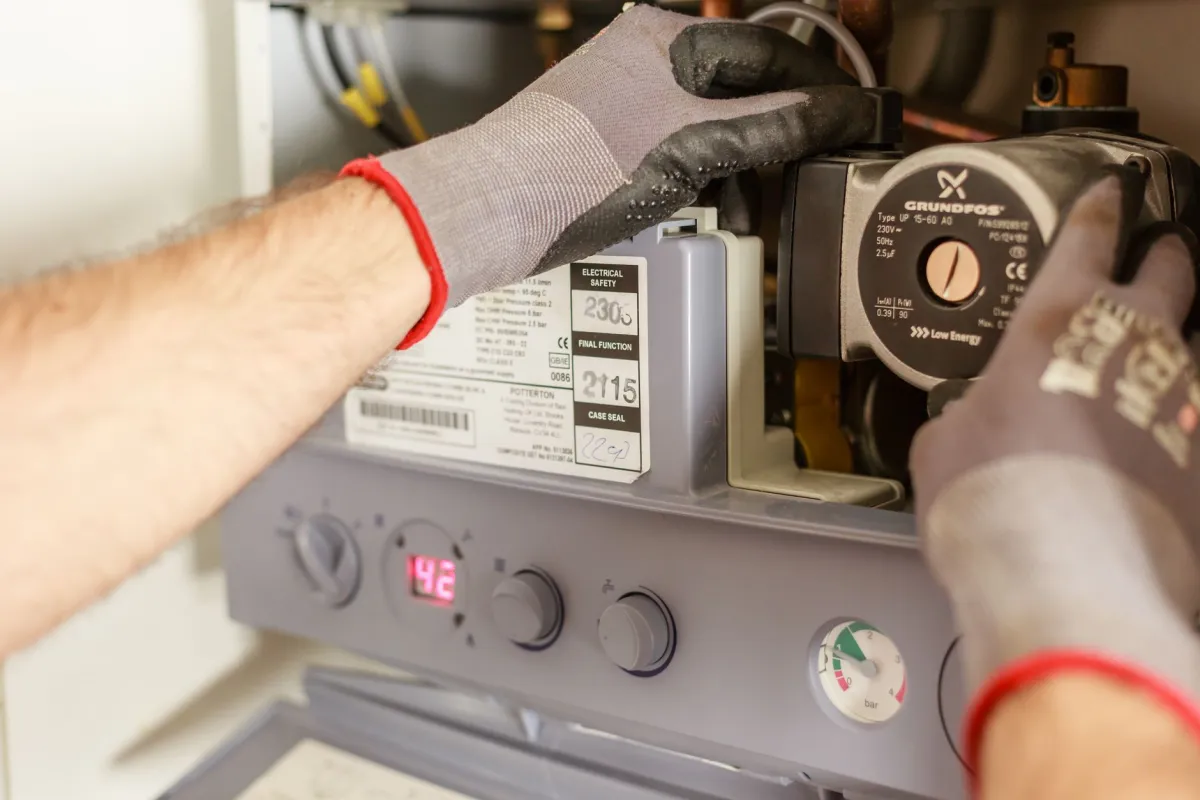
Gas faults change the order of operations and the qualifications required. If a tenant reports a gas smell, the first call is not to a plumber, it is to the National Gas Emergency Service on 0800 111 999, and the tenant should leave the property and avoid switches and phones inside. For a leaking boiler with no gas smell, or any work touching the gas supply, the engineer must be Gas Safe registered, and you as landlord have a legal duty to keep gas appliances maintained with an annual Gas Safety check. An out-of-hours plumber who sends a Gas Safe registered engineer for boiler emergencies keeps you compliant as well as dry. Confirm that capability before you need it, not at 2am.
Understanding your repairing obligations at a general level helps you brief the plumber and the tenant correctly. Under the standard statutory framework for residential lets in England, a landlord is generally responsible for keeping in repair the installations for the supply of water, gas, electricity and sanitation, and for space and water heating. In plain terms that usually means the pipework, the boiler, the hot water system, the taps, the toilets and the drainage inside the property are the landlord's to keep working, and a genuine failure of any of them is normally a landlord repair rather than something to charge back to the tenant. This is a general guide, not legal advice, and specific leases and freeholder arrangements can shift where a boundary sits, particularly for communal risers and shared drainage in blocks.
Knowing where your responsibility ends is as useful as knowing where it starts. In a Chelsea mansion block, the communal cold water riser, shared soil stacks and the building's plant are typically the freeholder's or management company's responsibility, not the individual leaseholder's, even though a failure there floods your flat. When a leak crosses that boundary, the practical move is to make safe your own installation, document it, and escalate the communal element to the managing agent rather than paying for work that is not yours. A plumber who understands this split can tell you on the night which side of the line a fault sits, which saves arguments and misdirected invoices later.
Handling the tenant well is part of the service, not an extra. Out-of-hours callouts are stressful for whoever is living in the property, and the plumber is representing you at the door. Look for a firm that keeps the tenant informed of arrival time, explains what they are doing and why, respects the home, and does not pressure anyone into approving work they are not authorised to sign off. As the landlord or agent you should stay the decision-maker on anything beyond immediate make-safe, so agree in advance how approval works: the plumber isolates and stabilises without waiting, then calls you or the agent for authority before any major permanent repair or spend. That protects the tenant from being put on the spot and protects you from surprise costs.
Set up a reliable emergency contact before the first flood, not during it. The landlords who cope best with out-of-hours emergencies are the ones who did the boring preparation in advance. Choose a 24/7 firm that covers your postcodes, save the number where the tenant and the agent can both reach it, and brief the tenant on the two things they should do themselves in an emergency: turn off the stopcock and call the number. Hold a simple property file the plumber can be sent to work from, with stopcock and consumer unit locations, boiler make and model, building access and porter contacts, and your out-of-hours approval process. That one document is the difference between a twenty-minute make-safe and a two-hour fumble in the dark.
For multi-let and HMO properties the standards are higher and the stakes are legal. If you let a shared house or licensed HMO in Chelsea, reliable hot water, adequate heating and working sanitation are licence conditions, not just tenant expectations, and a prolonged outage can put you in breach as well as leaving occupants cold. An out-of-hours plumber who can restore hot water and heating quickly, and who understands the amenity and Legionella basics behind HMO compliance, is worth retaining on a named-contact basis. Build the emergency number into your management pack alongside your gas safety and licensing records.
Emergency Plumber Chelsea is built around what landlords and agents actually need out of hours: 24/7 cover across SW3, SW10 and nearby postcodes, fast isolation and make-safe, Gas Safe registered engineers for boiler and gas work, and clear photographic and itemised records for your insurer and freeholder. Call-outs start from £69 daytime and from £89 nights, weekends and bank holidays, all quoted before major work, and there is no call-out fee when a job runs over three hours. To set up a reliable emergency contact for your Chelsea portfolio, or for an active emergency now, call 020 3002 6667.
Quick tips
- Give your plumber a property file in advance: stopcock and consumer unit locations, boiler make and model, and building access or porter contacts.
- Agree an approval process up front: the plumber makes safe without waiting, then calls you or the agent before any major permanent repair.
- Insist on photos before and after make-safe plus an itemised invoice, so escape-of-water claims and freeholder queries are covered.
- Brief tenants on two actions only: turn off the stopcock and call the 24/7 number. For a gas smell, out of the property and call 0800 111 999 first.
- For blocks, know which faults are the communal riser or stack (freeholder) versus your own installation, and escalate the communal ones to the agent.
FAQs
Is the landlord or the tenant responsible for an out-of-hours plumbing emergency?
As a general rule the landlord is responsible for keeping the water, heating, hot water and sanitation installations in repair, so a genuine failure is normally a landlord repair. The tenant's role is to act reasonably, isolate the stopcock and report it promptly. Leases and communal arrangements in blocks can vary, so this is general guidance rather than legal advice.
What should a Chelsea landlord expect from an emergency plumber overnight?
Fast attendance and immediate make-safe to stop damage, a Gas Safe registered engineer if gas or a boiler is involved, clear photographs and an itemised invoice for insurers and freeholders, and professional handling of the tenant. Major permanent repairs should be quoted and approved by you or the agent before they proceed.
How do I set up a reliable emergency plumbing contact for my Chelsea flats?
Choose a 24/7 firm that covers SW3 and SW10, save the number where both the tenant and agent can reach it, and prepare a short property file with stopcock, boiler, access and approval details. Emergency Plumber Chelsea provides that cover on 020 3002 6667, with no call-out fee when a job runs over three hours.
Need an engineer in Chelsea?
Call 020 3002 6667 for 24/7 emergency dispatch across SW3, SW10 and nearby postcodes.