
— Chelsea advice
Copper vs Plastic vs PEX Pipes: Which Is Best for a Chelsea Home?
For most Chelsea homes the honest answer is a mix: copper where pipe is exposed or runs near a boiler, and flexible PEX or push-fit plastic for concealed runs under floors and behind walls. Copper is the traditional, rigid, heat-proof choice that looks right in a period property; plastic and PEX are cheaper, faster to fit and freeze-resistant, but need hiding. This guide compares all three on durability, cost, ease of install, heat tolerance and appearance, and shows where each suits the older, high-value housing of SW3 and SW10.
Updated July 2026 · Emergency Plumber Chelsea
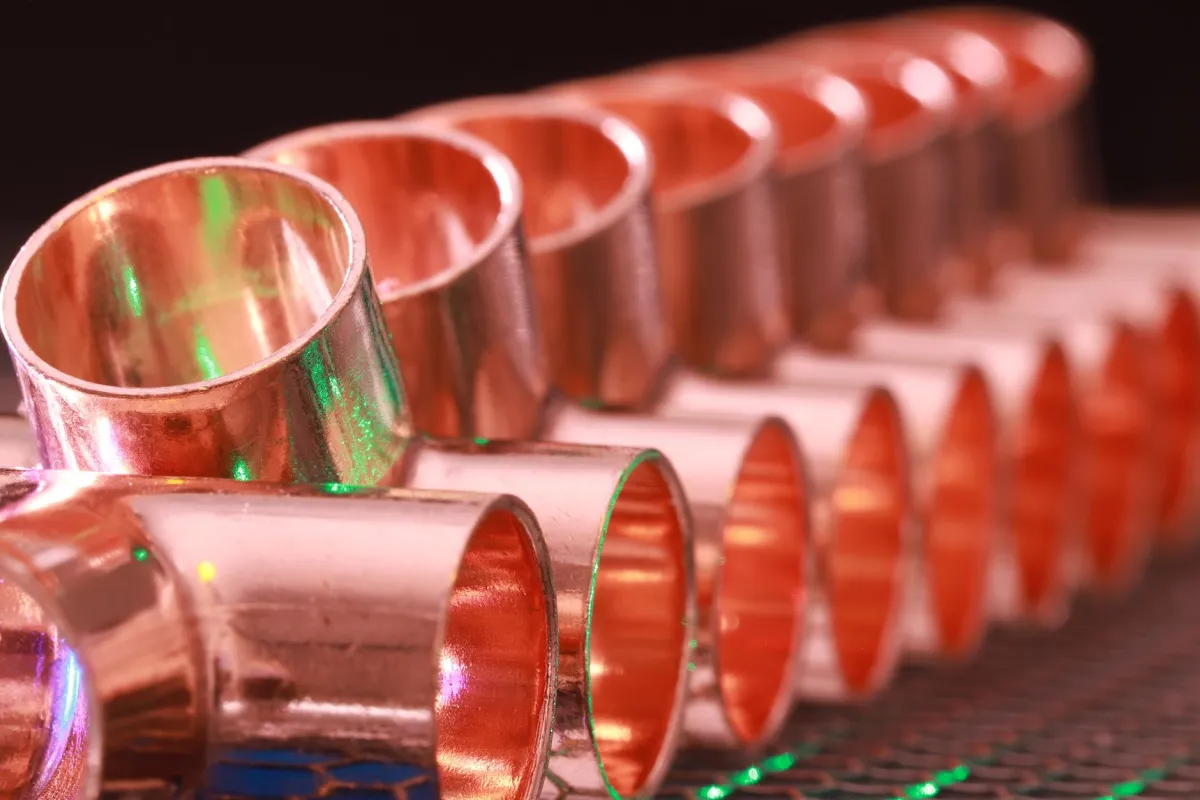
Copper is the long-established standard for water and heating pipe in British homes, and it earns that reputation on durability and heat tolerance. It is rigid, so it holds a clean line along a wall or across a plant room, and it copes with the full temperature range of a heating system and a hot-water cylinder without softening or sagging. Copper is also naturally resistant to bacteria and does not degrade in sunlight, which matters for any pipe run that sits in a loft, a light well or an exposed riser. The trade-offs are cost and labour: copper is the dearest material by the metre, prices move with the metals market, and it is joined by soldering or by compression and press fittings, all of which take more skill and time than pushing a plastic pipe together.
Plastic push-fit pipe, usually polybutylene, sits at the other end of the scale: cheap, fast and forgiving. It comes in coils or straight lengths, bends around obstacles without elbow fittings, and connects with push-fit joints that need no flame, no solder and no hot-works precautions. That last point is a real advantage in a Chelsea flat or a listed building, where a blowtorch near old timber and horsehair plaster is a genuine fire risk. Polybutylene tolerates freezing better than copper because it can expand slightly rather than splitting, and it is quieter, with less of the tick and knock you get from expanding metal. The catch is that it is not pretty and it is not for show. It degrades in UV light, so it must be kept out of direct sunlight, and most people want it concealed under floors, in ducts or behind boxing rather than run across a wall on display.
PEX, or cross-linked polyethylene, is the modern flexible pipe that has become the default for new pipework and rewires of plumbing across much of the world. Chemically it is a tougher, more temperature-stable cousin of ordinary plastic pipe: the cross-linking gives it better resistance to heat and pressure than basic polybutylene while keeping the flexibility that makes it quick to install. A single continuous length of PEX can often run from a manifold to a fixture with no joints buried in the fabric of the building, which removes the most common hidden leak point. Like other plastics it resists limescale and corrosion, shrugs off freezing better than copper, and is joined cold with push-fit or crimped fittings. It shares plastic's weaknesses too: it needs protecting from UV and rodents, and it is a concealed pipe, not a decorative one.
On durability over decades, copper and PEX are both strong performers, and the right choice often comes down to the water and the setting. Copper can last well over half a century, but it is vulnerable to pinhole corrosion where the water is aggressive or where poor installation left flux or debris inside the pipe. Chelsea's water is hard rather than acidic, so scaling matters more than corrosion, and limescale builds inside any narrow-bore pipe including copper. PEX and plastic do not corrode and shrug off scale on their walls, which is a point in their favour for hard-water London, though the fittings and appliances still scale up. There is one important caveat with older grey polybutylene: some early formulations from decades past have a poor reputation for brittleness and failure, so if you find old grey plastic pipe in a Chelsea property it is worth having it assessed rather than assumed sound.
Cost splits into materials and labour, and the two do not always point the same way. By the metre, plastic and PEX are markedly cheaper than copper, and the copper price is exposed to commodity swings. Labour usually favours plastic and PEX as well, because push-fit and crimped joints go together far faster than soldered copper and need no hot-works setup or fire watch. Against that, copper fittings themselves are compact and the material is thin, so in a tight, exposed run copper can look neater for less boxing-in. For a whole-house scheme the flexible plastics almost always come out cheaper overall, which is a large part of why they dominate modern repipes. If you are weighing up a full replacement, our guide to house repiping cost in Chelsea sets out how these choices move the total.
Ease of installation is where the flexible plastics pull clearly ahead, and it has knock-on benefits beyond speed. A coil of PEX or polybutylene can snake under a suspended floor or through a joist run with far fewer joints than rigid copper, which means fewer potential leak points hidden in the structure. No flame means no fire risk to a period building's timber and plaster, and no waiting for solder to cool. Copper still wins where the pipe must be dead straight, self-supporting across a span, or exposed as a feature in a plant room or utility. Many good installs in Chelsea therefore use both: PEX or push-fit for the concealed distribution, then a short length of copper for the final visible connections and anywhere close to the boiler.
Heat tolerance is the one area where you cannot treat the three as interchangeable, and it drives real design decisions. Copper handles the highest temperatures comfortably, which is why it is preferred immediately around a boiler, on a cylinder's primary connections and anywhere the pipe could see very hot water or radiant heat. Both PEX and polybutylene are rated for hot water and central heating, but they have temperature and pressure limits and must be kept away from the hottest components; many installers fit a metre or so of copper off the boiler before transitioning to plastic. Get this detail right and a mixed system runs for decades; get it wrong and you soften a plastic pipe next to a heat source. This is exactly the kind of judgement a Gas Safe registered engineer makes as a matter of routine.
Appearance is where Chelsea's period homes tip the balance back towards copper. In a mansion flat, a listed townhouse or a room with exposed pipework, a run of neatly soldered copper looks appropriate and can be left on show or even polished, whereas white plastic pipe reads as cheap and needs hiding. Copper also suits traditional radiators and older fittings visually. In practice the decision is rarely all-or-nothing: use copper for the runs you will see and the connections near the boiler, and PEX or push-fit for everything buried under floors and behind walls where nobody looks. That approach gives you the traditional look where it counts and the lower cost and speed everywhere else.
For the specific realities of Chelsea property, a few things stand out. Many homes here are period, high-value and often listed or in a conservation area, so avoiding a blowtorch near historic fabric is a genuine benefit of push-fit and PEX, and concealed flexible runs disturb less of the building. Hard London water favours plastics slightly on internal scaling, though it scales your fittings and appliances whatever the pipe. If you are dealing with old lead supply pipe, that is a separate and more urgent replacement question covered in our guide to lead pipe replacement in Chelsea. And if you are buying an older property, checking what pipework is already in place, and whether any suspect grey polybutylene is present, belongs on your survey list.
The practical recommendation for most Chelsea homes is a hybrid designed around the building rather than loyalty to one material. Copper near the boiler and cylinder and on any exposed or feature runs; PEX or push-fit plastic for the concealed distribution under floors and behind walls where speed, cost and freeze resistance win. What matters more than the label on the pipe is the quality of the installation: correct support, proper joints, sensible transitions between materials, and pipe kept away from heat and UV. Emergency Plumber Chelsea installs and repairs all three across SW3, SW10 and nearby postcodes, and we will advise on the right mix for your property. One more thing worth knowing on pricing: there is no call-out fee if the job runs over three hours, and call-outs otherwise start from £69 daytime and £89 out of hours, with labour and parts quoted before the work begins. Call 020 3002 6667 for advice or a quote.
Quick tips
- Use a hybrid: copper near the boiler, cylinder and on exposed runs; PEX or push-fit plastic for concealed distribution under floors and behind walls.
- Keep all plastic and PEX pipe out of direct sunlight and away from heat sources, as UV and high temperatures shorten its life.
- In a period or listed Chelsea home, push-fit and PEX avoid the fire risk of a blowtorch near old timber and plaster.
- If you find old grey polybutylene pipe in an older property, have it assessed rather than assumed sound, as some early formulations are prone to failure.
- For hard London water, no pipe material stops your fittings and appliances scaling up, so plan for descaling whatever you choose.
FAQs
Is copper or plastic pipe better for a Chelsea home?
Both, in different places. Copper suits exposed runs and connections near the boiler because it is rigid and heat-proof and looks right in a period home. Plastic or PEX suits concealed runs under floors and behind walls because it is cheaper, faster to fit and more freeze-resistant. Most good installs use a mix.
What is the difference between PEX and normal plastic push-fit pipe?
PEX is cross-linked polyethylene, a tougher plastic with better heat and pressure resistance than basic polybutylene push-fit pipe, while keeping the same flexibility and cold-joint installation. Both are cheap, freeze-resistant and need concealing; PEX generally handles higher temperatures and can run longer lengths without buried joints.
Can I mix copper and plastic pipe in the same system?
Yes, and most modern installs do. A common approach is a length of copper off the boiler and on visible runs, then PEX or push-fit plastic for the concealed distribution, joined with proper transition fittings. Keeping plastic away from the hottest components is the key detail. Call 020 3002 6667 if you want it checked or installed.
Need an engineer in Chelsea?
Call 020 3002 6667 for 24/7 emergency dispatch across SW3, SW10 and nearby postcodes.