
— Chelsea advice
Heat Pump vs Gas Boiler for a Chelsea Home: What to Consider
A gas boiler burns gas to make heat and hot water and fits almost any Chelsea home with an existing gas supply and flue. An air source heat pump uses electricity to move heat from the outside air into your home, runs at lower flow temperatures, and needs an outdoor unit plus space for a hot water cylinder. For many Chelsea properties, especially flats and period homes in conservation areas, the practical constraints of space, planning and radiator sizing matter as much as the numbers. This guide explains the difference plainly and where each option makes sense in SW3, SW10 and nearby postcodes.
Updated July 2026 · Emergency Plumber Chelsea
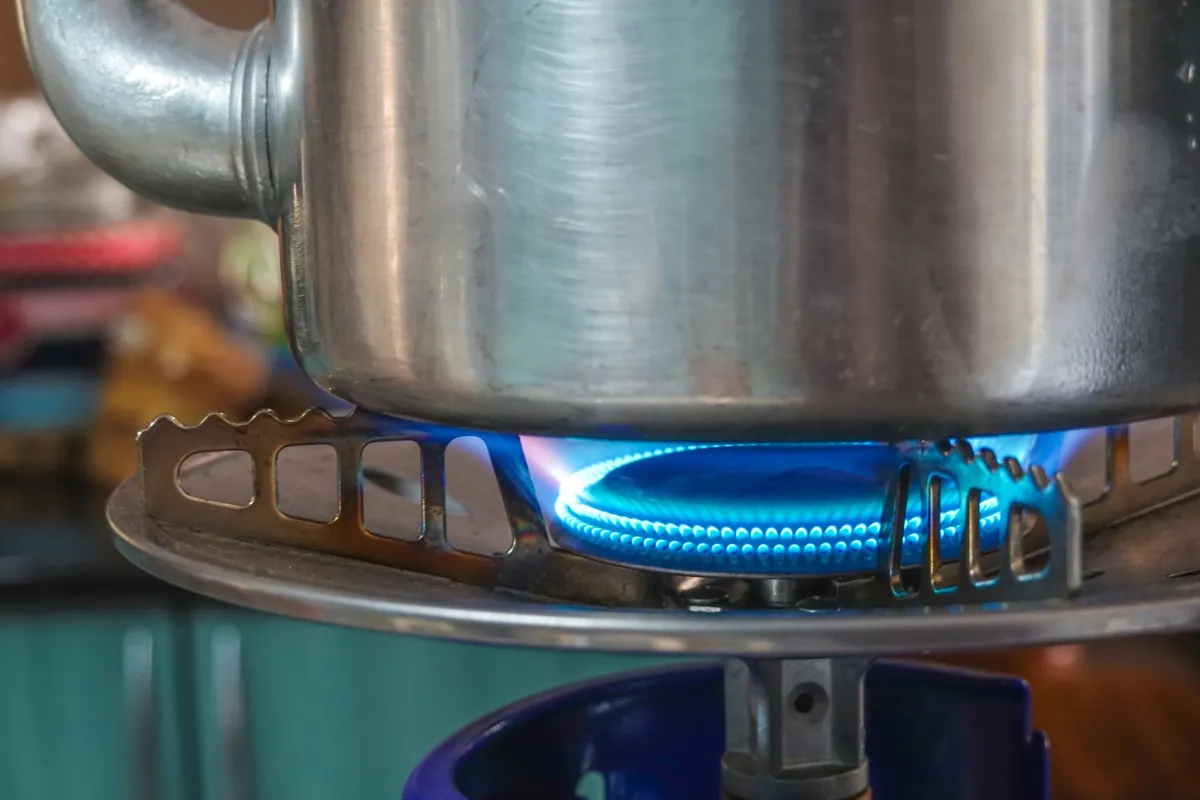
The core difference is how each system makes heat. A gas boiler creates heat by burning gas, delivering water to your radiators at a high temperature, typically around 65 to 75 degrees, so radiators feel hot to the touch and warm a room quickly. An air source heat pump does not burn anything. It uses a refrigerant cycle and an electric compressor to extract low-grade heat from the outside air, even in winter, and upgrade it to a useful temperature, usually around 35 to 50 degrees. That lower flow temperature is the single fact that drives most of the practical differences below, from radiator sizes to how the system feels day to day.
Efficiency is measured differently for each, and the comparison is not like for like. A modern condensing gas boiler is roughly 90 to 94 per cent efficient, meaning most of the energy in the gas becomes heat. A heat pump is measured by its coefficient of performance, and a well-designed installation typically delivers around 300 to 400 per cent, because it moves several units of heat for every unit of electricity it uses. That sounds decisive, but it does not translate directly into cost, because electricity per unit costs several times more than gas in the UK. The real running cost depends on the price gap between gas and electricity, how well the system is designed, and how well insulated the home is.
Running costs are close in many cases, and the outcome hinges on the property. Because electricity is more expensive per unit than gas, a heat pump only saves money when its high efficiency outweighs that price gap, which happens most reliably in a well-insulated home with correctly sized radiators running at a low flow temperature. In a draughty, solid-walled Chelsea period house with small radiators, a heat pump forced to run hotter loses efficiency and can cost more to run than a good gas boiler. In a well-insulated flat or a refurbished home with generous radiators or underfloor heating, running costs can be similar or lower. Anyone quoting a single blanket figure is guessing, because the honest answer is that it depends on the fabric of your specific building.
Space and the outdoor unit are often the deciding factor in Chelsea. A gas boiler is compact and, as a combi, needs no cylinder at all, which is why it suits space-tight flats. A heat pump needs an outdoor unit roughly the size of a large air-conditioning box, mounted on an external wall or standing in a yard or garden, with clear airflow around it and a sensible distance from windows and boundaries. It almost always needs an indoor hot water cylinder too, because heat pumps do not heat water instantly the way a combi does. In a Chelsea flat with no private external wall, no garden and no cupboard for a cylinder, fitting a heat pump can be difficult or impossible, while a gas boiler drops in where the old one was.
Radiator sizing is the hidden cost people miss. Because a heat pump runs at a lower flow temperature, each radiator gives out less heat than it would on a hot gas system, so radiators often need to be larger, or replaced with higher-output types, to warm the same room. Underfloor heating pairs particularly well with a heat pump for the same reason, as it works comfortably at low temperatures over a large surface. In a Chelsea home where you simply swap a gas boiler for another gas boiler, the existing radiators usually stay. Moving to a heat pump may mean upsizing several radiators and reworking pipework, which adds cost and disruption that a like-for-like boiler swap avoids. A proper heat loss survey, room by room, is essential before committing, because it tells you which radiators must change.
Suitability for period homes and flats varies widely across Chelsea. Many SW3 and SW10 properties are Victorian or Georgian, solid-walled, and sometimes listed or within a conservation area. These homes can lose heat quickly, which pushes a heat pump towards higher, less efficient flow temperatures unless insulation is improved first. Mansion blocks and converted flats bring their own hurdle: often there is no suitable external position for an outdoor unit that is both practical and acceptable to the freeholder or managing agent. A gas boiler, by contrast, works within the existing flue and supply arrangements that period buildings already have. None of this rules out a heat pump, but it does mean each property needs assessing on its own merits rather than a one-size answer.
Planning and conservation rules can affect a heat pump more than a boiler. In England, air source heat pumps often fall under permitted development, but conditions apply to size, position, noise and distance from boundaries, and permitted development rights are more restricted for listed buildings and in conservation areas, which cover large parts of Chelsea. An outdoor unit on a front elevation or a street-facing wall in a conservation area may need planning permission, and a listed building will usually need listed building consent for external changes. Replacing a gas boiler like for like rarely needs planning permission, though a changed flue position in a conservation area can. Always check with the Royal Borough of Kensington and Chelsea before assuming, because the rules turn on the specifics of your property and where the unit would sit.
Installation, disruption and lifespan differ in ways worth weighing. A straightforward gas boiler replacement is usually a one or two day job that reuses existing pipework and flue, so the household is back to normal quickly. A heat pump installation is a larger project: siting the outdoor unit, fitting a cylinder, often upsizing radiators, and commissioning the system to run efficiently at low temperature. That means more days of work and more cost up front, though a well-installed heat pump can last around fifteen to twenty years and a gas boiler around ten to fifteen. Government grants have at times been available to help with the up-front cost of a heat pump, but the amounts and eligibility change, so check the current position before you budget.
The direction of UK policy points towards lower-carbon heating over the long term, but gas boilers are not banned today. Policy has encouraged a gradual shift away from fossil-fuel heating, with support schemes for heat pumps and tighter efficiency standards over time, and the broad direction of travel is away from gas for new and replacement heating. That said, you can still buy and install a gas boiler now, and there is no requirement to rip out a working one. The sensible reading for a Chelsea homeowner is to treat a heat pump as a serious option when your home suits it and you are ready to invest, while recognising that a modern gas boiler remains a valid and often more practical choice for many flats and period properties today. Decisions about heat pumps and grants carry cost and eligibility questions, so treat the figures here as general guidance and confirm the current position before you commit.
To decide, work through it in order and be honest about your building. First, assess space: is there a practical, agreeable position for an outdoor unit and room for a cylinder, or is a compact boiler the only realistic fit. Second, assess the fabric: how well insulated is the home, because a heat pump rewards good insulation and punishes a leaky one. Third, get a heat loss survey and check whether radiators would need upsizing. Fourth, check planning and any conservation or listed status with the borough. Fifth, weigh the up-front cost and disruption of a heat pump against the simplicity of a boiler swap, alongside your longer view on running cost and carbon. Where the home suits it, a heat pump can be an excellent long-term choice. Where space, planning or the building fabric make it impractical, a modern boiler remains the sensible answer for now.
Getting the right system for your specific property matters far more than following a trend, because a heating system mismatched to your home disappoints every day. Emergency Plumber Chelsea installs and services gas boilers, fits and repairs central heating, and gives honest, property-specific advice on whether a boiler or a heat pump suits your home across SW3, SW10 and nearby postcodes. Gas work is carried out by Gas Safe registered engineers, and we quote clearly before any work starts, with boiler fault diagnosis from around £89 confirmed on site. For a straight assessment of the right heating option for your Chelsea home, call 020 3002 6667.
Quick tips
- Start with a heat loss survey and insulation check; a heat pump only saves money in a home that holds its heat well.
- Confirm there is a practical, agreeable position for an outdoor unit and space for a cylinder before considering a heat pump in a flat.
- Expect some radiators to need upsizing for a heat pump, because it runs at a lower flow temperature than a gas boiler.
- In a conservation area or listed building, check planning and listed building consent with the borough before siting any external unit.
- For a like-for-like boiler swap, existing radiators and pipework usually stay, which keeps cost and disruption down.
FAQs
Is a heat pump cheaper to run than a gas boiler in Chelsea?
It depends on the home. Because electricity costs more per unit than gas, a heat pump only tends to save money in a well-insulated property with correctly sized radiators running at a low flow temperature. In a draughty period home with small radiators it can cost the same or more than a good gas boiler, so a proper heat loss survey is the only reliable guide.
Can I fit an air source heat pump in a Chelsea flat?
Sometimes, but it is often difficult. A heat pump needs an outdoor unit with clear airflow on an external wall or in a yard, plus space inside for a hot water cylinder. Many flats and mansion blocks lack a suitable position or need freeholder and managing agent approval, and conservation area rules may apply. A gas boiler usually fits where the old one was.
Are gas boilers being banned in the UK?
Not today. Policy is encouraging a gradual shift towards lower-carbon heating such as heat pumps, and there have been support schemes for them, but you can still buy and install a gas boiler now and there is no requirement to remove a working one. Grant amounts and rules change, so check the current position before budgeting.
Need an engineer in Chelsea?
Call 020 3002 6667 for 24/7 emergency dispatch across SW3, SW10 and nearby postcodes.