
— Chelsea advice
Concealed Pipework in Chelsea Period Homes: The Risks and How to Handle It
Concealed pipework means water pipes and waste runs hidden from view: buried in wall chases, boxed behind panelling, run under floorboards, or threaded through ceiling voids and old chimney breasts. It is very common in Chelsea's Victorian and Georgian houses, where later plumbing was tucked out of sight to protect period interiors. The trade-off is that a hidden leak can run undetected and access for repair is harder. This guide explains the risks and how to handle concealed pipe runs sensibly, from a plumber who works on SW3 and SW10 period homes. Call Emergency Plumber Chelsea on 020 3002 6667.
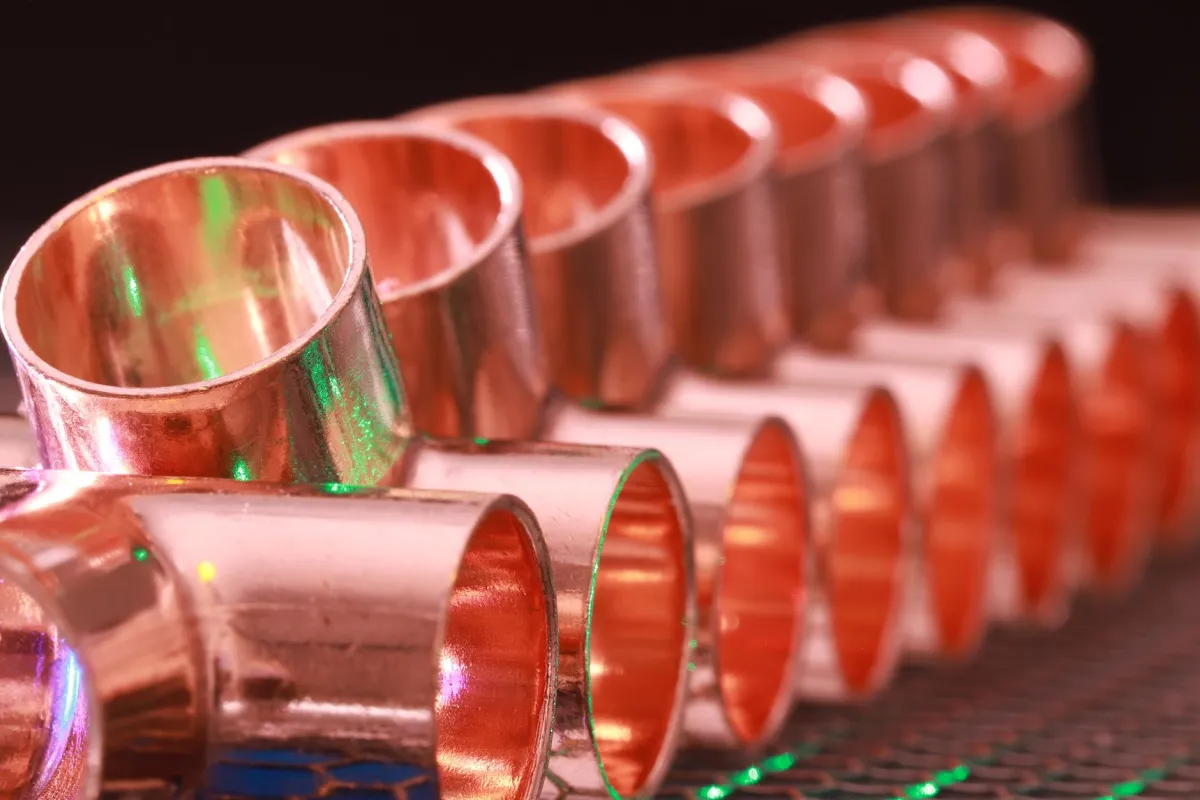
Updated July 2026 · Emergency Plumber Chelsea
Concealed pipework is normal in period Chelsea homes, and it exists for good reasons. When bathrooms, central heating and modern kitchens were added to houses built long before indoor plumbing, engineers routed the pipes where they would not spoil cornicing, panelling or parquet: chased into plaster, boxed into corners, dropped under floorboards, or carried through the voids between joists. The result is a home that looks right but hides a network you cannot see. Knowing that network is there, and roughly where it runs, is the first step to managing it.
The main risk with hidden pipe runs is the hidden leak. A slow weep from a soldered joint under a floor or inside a wall can run for weeks or months before it shows, quietly soaking joists, plaster and subfloor while your water bill creeps up. By the time a damp patch, a musty smell or a stain on a ceiling appears, the water has often travelled some distance from the actual fault, and the damage is already done. In stacked Chelsea flats and mansion blocks this is worse, because a concealed leak in one home can surface as a ceiling stain in the flat below.
Access is the second risk. When a concealed pipe does fail, reaching it can mean lifting a period floor, opening a plaster wall, or removing panelling and joinery that is part of what makes the house special. That turns a modest repair into a larger, more disruptive job, and in a listed building or conservation area it raises questions about consent before fabric is disturbed. The pipe itself may also be old: lead, early copper, or steel with corroded joints, so the section you expose is not always the section that is about to fail next.
Damage caused during unrelated work is a third, underrated risk. Because you cannot see concealed pipes, they get pierced by picture hooks, shelf fixings, floorboard nails and screws during renovation. A nail through a pipe under a newly laid floor may not leak immediately, but corrodes and weeps later, long after the trades have gone. Anyone drilling or fixing in a period Chelsea home should assume there is pipework and cabling hidden in the wall or floor and check before they make the hole.
The good news is that finding a concealed leak no longer means ripping the house apart to go looking. Non-invasive leak detection uses acoustic listening equipment to hear water escaping under pressure, thermal imaging to see the temperature signature of a heating or hot-water leak behind a surface, tracer gas that is introduced into an isolated pipe and detected where it escapes, and moisture meters to map how far damp has spread. Used together, these methods pinpoint the fault to a small area so only that spot needs to be opened, which is exactly what you want in a home with fabric worth protecting. Leak detection with Emergency Plumber Chelsea starts from around £150, confirmed before work begins.
The process on site is methodical. The engineer first confirms there is a leak, often by isolating sections and watching the water meter or system pressure, then narrows the location before touching anything. In a period home that patience matters: an hour spent listening and imaging can save a day of unnecessary lifting and a lot of reinstatement cost. Once the point is fixed, a much smaller, targeted opening exposes the failed joint or pipe for repair, and the surrounding parquet, plaster or panelling stays intact.
When you are installing or repairing concealed pipework in a period property, plan for the next leak, not just this one. Where the fabric allows, run pipes so they can be reached again: use accessible ducting or removable boxing rather than burying joints permanently in solid plaster, keep the number of hidden joints to a minimum, and put isolation valves in reachable positions so a future repair can be isolated without draining the whole system. Every buried joint is a future access problem, so a good installer designs them out wherever the finish permits.
Materials and workmanship matter more, not less, when a pipe is going to be hidden. A joint you will never see again should be made to last: modern copper with properly made connections, or push-fit and press systems rated for concealment, correctly supported so the pipe does not knock or rub against joists and cause water hammer or wear. Pipes chased into external or cold walls should be insulated to reduce the freeze risk that fills Chelsea's winter call-out diary, and any pipe passing through a floor or wall should be sleeved so it can move without abrading. Cutting corners on a buried joint is a false economy, because the cost of reaching it again dwarfs the cost of doing it well the first time.
In a listed building or conservation area, concealed pipework brings an extra layer to think about before work starts. Chasing new runs into historic plaster or panelling, or forming new routes through protected fabric, can require listed building consent, and the heritage-friendly answer is often to route pipes surface-mounted in discreet boxing, through existing voids, or along less sensitive walls rather than cutting into original material. In a genuine emergency, stopping an active leak always comes first, and making safe to prevent flooding protects the building too, but any permanent repair that would disturb protected fabric is worth checking with the Royal Borough of Kensington and Chelsea before the final fix.
There is a useful insurance angle worth knowing about. Many home policies include cover for 'trace and access', meaning the reasonable cost of locating a hidden leak and getting to it, then reinstating what had to be removed to reach the pipe. That cover is exactly what makes non-invasive detection worthwhile: a proper trace keeps the opening small, so both the finding and the making-good stay proportionate and are easier to claim for. Keep the leak-detection report, photographs and an itemised invoice, because insurers and, in a leasehold flat, the freeholder or managing agent will often want that evidence before they contribute. If a concealed leak has crossed into a neighbouring flat, that paper trail also helps sort out who is responsible.
Keeping a simple record of where your pipes run pays off over the life of a period home. If you have floors up during a renovation, photograph the pipe routes before they disappear, note where isolation valves sit, and keep any plans your installer produces. When a leak does happen years later, that record helps an engineer find and isolate the fault faster, with less exploratory opening of your walls and floors. For hidden leaks, careful installation, or repairs to concealed pipework in a Chelsea period home, call Emergency Plumber Chelsea on 020 3002 6667. We cover SW3, SW10 and nearby postcodes 24 hours a day, with pricing confirmed before major work.
Quick tips
- Assume there is hidden pipework and cabling in every period wall and floor: check with a detector before drilling or nailing.
- Treat an unexplained rise in your water bill, a musty smell or a spreading damp patch as a possible concealed leak and get it traced early.
- Ask for non-invasive leak detection before anyone lifts a floor or opens a wall, so only the fault spot is exposed.
- When concealing new pipework, minimise hidden joints and keep isolation valves accessible so future repairs are easy.
- In a listed or conservation-area home, check whether chasing new runs into protected fabric needs consent before work starts.
FAQs
How do you find a concealed leak without ripping out the walls or floor?
By tracing it first. Acoustic listening equipment hears water escaping under pressure, thermal imaging shows the heat signature of a hot-water or heating leak, tracer gas reveals where it escapes an isolated pipe, and moisture meters map the damp. Together they pinpoint the fault so only a small, targeted opening is needed. Leak detection starts from around £150, confirmed on site.
Why is concealed pipework so common in Chelsea period homes?
Because plumbing was added to houses built long before indoor water, and it was routed out of sight to protect period interiors: chased into plaster, boxed behind panelling, or run under floors and through ceiling voids. It keeps the home looking right, but it means leaks can stay hidden and repairs need careful access.
What is the best way to install hidden pipework in a period property?
Design for future access. Use accessible ducting or removable boxing rather than burying joints in solid plaster, keep hidden joints to a minimum, fit isolation valves in reachable positions, insulate pipes in cold walls, and use quality materials and connections rated for concealment. In a listed home, check whether new chased runs need consent first. Call 020 3002 6667.
Need an engineer in Chelsea?
Call 020 3002 6667 for 24/7 emergency dispatch across SW3, SW10 and nearby postcodes.