
— Chelsea advice
8 Common DIY Plumbing Mistakes (and How to Avoid Them) in Chelsea
The most common DIY plumbing mistakes are overtightening fittings, using the wrong sealant or tape, pouring chemical cleaners into old pipes, not isolating the water first, joining mismatched pipe materials, overloading a single trap, ignoring the water regulations, and touching gas work at all. Each one can turn a small job into a flood, a failed joint or a safety risk, and they are easy to make in Chelsea's period homes and mansion flats where the pipework is older and less forgiving than in a new build. Here is what goes wrong with each and when to stop and call Emergency Plumber Chelsea on 020 3002 6667.
Updated July 2026 · Emergency Plumber Chelsea
DIY plumbing goes wrong in a handful of predictable ways, and the cost of getting it wrong is usually far higher than the price of the repair you were trying to avoid. A £2 washer fitted badly can soak a ceiling below, and in stacked SW3 and SW10 flats one mistake often becomes your neighbour's problem too. The list below covers the eight mistakes we see most often on emergency call-outs, so you can either avoid them or recognise the point where a job has moved beyond safe DIY. Straightforward tasks like changing a tap washer or clearing a trap are fair territory for a confident homeowner; anything touching gas, shared drainage or the incoming main is not.
The first mistake is overtightening fittings. More force does not mean a better seal, and on compression joints, tap connectors and plastic waste fittings, overtightening is one of the most common causes of a slow leak or a cracked component. Compression fittings seal when the olive bites gently onto the pipe, so a gorilla grip crushes the olive out of shape or splits the nut, and overtightened plastic threads craze and weep days later. Period Chelsea homes often have thin-walled or slightly out-of-round old copper that distorts easily under a heavy wrench. Nip fittings up firmly and give a modest extra quarter to half turn, then test under pressure rather than reefing on the spanner until something gives.
The second mistake is using the wrong sealant or tape, or using the right one in the wrong place. PTFE tape and jointing compound seal threaded joints, not compression olives or push-fit connections, and wrapping tape around an olive simply guarantees a leak. Standard white PTFE is too thin for larger threads, where you need the denser gas-grade or a proper jointing paste, and tape wound the wrong way unravels as you tighten. Silicone sealant is for sealing around a bath or basin, never for making a pressurised pipe joint. The consequence of the wrong product is a joint that looks fine, passes a quick glance, then drips quietly into a floor void. If you are unsure which sealing method a joint needs, that uncertainty is the signal to get a professional to make it.
The third mistake is pouring chemical drain cleaners into old pipes. Caustic and acidic drain products are a poor choice for the aged cast iron, steel and mixed runs common under Chelsea kitchens and bathrooms, because they can corrode metal, soften seals and still leave the blockage in place. They also sit as a hazardous pool of hot, caustic liquid on top of a solid blockage, which is dangerous for anyone who later plunges or opens the trap, including the engineer. Repeated use accelerates pinhole corrosion in older waste pipes, turning a blockage into a leak. Clean the trap by hand or use a plunger first, and for anything deeper call for professional clearance rather than reaching for stronger chemicals. Our minor plumbing and drainage work covers exactly these clearances without the collateral damage.
The fourth mistake is not isolating the water before you start. Every plumbing job that opens a pipe or fitting should begin by turning off the supply, either at the local isolation valve or the main stopcock, and opening a tap afterwards to drop the pressure. Skipping this is how a routine tap swap becomes an emergency: the moment a connector comes loose, mains-pressure water sprays across the room and down through the floor. In many Chelsea flats the stopcock is under the kitchen sink, in a hall cupboard or on the rising main near the door, and it pays to find and test it before you need it, because old stopcocks seize. If you cannot locate or turn a working isolation point, do not start the job.
The fifth mistake is joining mismatched pipe materials without the right fitting. Connecting copper directly to galvanised steel, for example, sets up galvanic corrosion at the joint that eats the metal from the inside and fails without warning, and some older brass fittings in hard-water London suffer dezincification that leaves them brittle. Period Chelsea homes frequently contain a patchwork of lead, steel, copper and later plastic added over decades, so the temptation to bodge two dissimilar materials together with whatever fitting is in the drawer is real. The right approach uses the correct transition fitting or an appropriate dielectric separation, and often the right answer is to replace a failing section properly. This is where our plumbing repairs service earns its keep, because a sound transition joint on old pipework is not a guess.
The sixth mistake is overloading a single trap or waste. Every trap holds a water seal that stops drain smells entering the room, and piping too many appliances into one undersized waste, or running a long flat pipe run, causes self-siphonage that pulls that seal out and lets foul air back in. A common version is teeing a washing machine, dishwasher and sink into one shared waste that cannot cope, so the sink fills with dirty water when the machine drains. In a Chelsea kitchen retrofit under a period floor, the fall and pipe sizing are easy to get wrong. If you are adding an appliance and the existing waste gurgles, backs up or smells afterwards, the pipework needs designing properly rather than another tee squeezed in.
The seventh mistake is ignoring the water regulations. The Water Supply (Water Fittings) Regulations 1999 govern how you connect to and use the mains supply, and they exist to prevent waste, contamination and backflow into the drinking water everyone shares. Fitting an outside tap, a garden supply or certain appliances without the correct double check valve or backflow protection can breach the regulations and, in the worst case, siphon dirty water back into the main. Some installations must be notified to your water supplier, which for Chelsea is Thames Water, before the work is done. The consequence of ignoring this is not only a technical breach but a genuine contamination risk. A registered installer knows which jobs are notifiable and which backflow device each fitting needs.
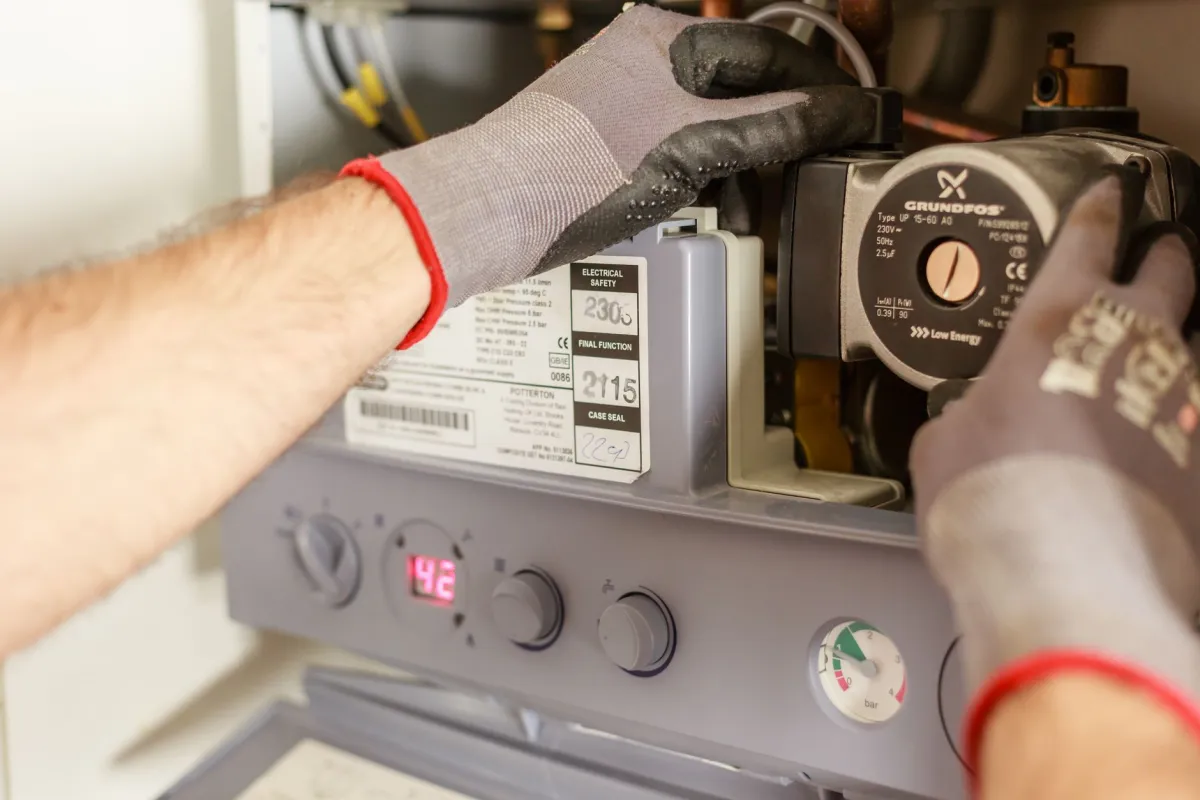
The eighth mistake is the one with no grey area: never attempt DIY gas work. It is illegal for anyone who is not Gas Safe registered to work on gas pipework, boilers or gas appliances, and it is potentially fatal. Amateur gas work risks leaks, fire, explosion and carbon monoxide poisoning, and it invalidates insurance and warranties. This includes moving a gas cooker connection, disturbing a boiler's gas supply or fitting a flue; our guide on whether you can install a gas cooker yourself explains the rules. If you smell gas or suspect a leak, leave the property, do not touch switches, and call the National Gas Emergency Service on 0800 111 999 from outside. All gas work must be carried out by a Gas Safe registered engineer, and Emergency Plumber Chelsea sends Gas Safe engineers for any job involving gas.
Knowing when to call a professional matters more in Chelsea than in most places, because so much of the housing stock is period, listed or leasehold, and the pipework hidden behind panelling and under old floors rewards experience rather than optimism. Call a professional when a job touches gas, the incoming main, shared drainage or a neighbour's flat, when you cannot isolate the water, when dissimilar materials or old lead pipe are involved, or when a first careful attempt has not worked. It is also worth knowing the warning signs of overpriced or pushy trades before an emergency, which our guide on avoiding emergency plumber scams in Chelsea covers. For anything beyond confident, contained DIY, Emergency Plumber Chelsea covers SW3, SW10 and nearby postcodes 24 hours a day on 020 3002 6667, with clear pricing agreed before major work starts.
Quick tips
- Nip compression and threaded fittings up firmly with a small extra turn, then test under pressure. Do not keep tightening until something cracks.
- Match the sealing method to the joint: PTFE or paste for threads, olives for compression, nothing extra for push-fit. Silicone is for sealing surfaces, not pipe joints.
- Find and test your stopcock or local isolation valve before you start any job, and open a tap afterwards to drop the pressure.
- Keep caustic drain chemicals out of old metal and mixed waste pipes. Clean the trap or plunge first, then call for clearance.
- Never touch gas work. It must be done by a Gas Safe registered engineer, and a suspected gas leak means leave and call 0800 111 999.
FAQs
What is the most common DIY plumbing mistake?
Overtightening fittings and not isolating the water first are the two we see most on call-outs. Overtightening cracks olives and plastic threads so a joint weeps days later, and skipping isolation turns a loose connector into a mains-pressure flood. Both are avoidable with a gentler hand and a working stopcock.
Can I do any plumbing myself in a Chelsea period home?
Yes. Changing a tap washer, cleaning a trap, bleeding a radiator or plunging a blocked sink are all reasonable DIY if you isolate the water first. Anything touching gas, the incoming main, shared drainage or old lead and steel pipework is best left to a professional, because period pipework is less forgiving and mistakes can affect neighbouring flats.
Is it illegal to do my own gas work?
Yes. Only a Gas Safe registered engineer may legally work on gas pipework, boilers or gas appliances. DIY gas work risks leaks, fire and carbon monoxide, and it invalidates insurance and warranties. If you smell gas, leave the property and call the National Gas Emergency Service on 0800 111 999 before anything else.
Need an engineer in Chelsea?
Call 020 3002 6667 for 24/7 emergency dispatch across SW3, SW10 and nearby postcodes.